
Why Quechua Is the Language Every Peru Traveler Should Attempt to Learn
Back to CategoryWhy Quechua Is the Language Every Peru Traveler Should Attempt to Learn
As a traveler of color, I've often found myself at the crossroads of cultural exchange and linguistic barriers. My experiences in Peru, a country steeped in rich Indigenous heritage, were no exception. While Spanish is the dominant language, I discovered that learning **Quechua**, the language of the Incas, was not only a valuable skill but a gesture of respect towards the local communities I encountered. In this article, I'll share my journey of learning Quechua and why I believe it's essential for every Peru traveler, particularly those from minority backgrounds, to attempt to learn this beautiful **Indigenous language**.
My decision to learn **Quechua** was motivated by a desire to connect with the people and culture of Peru on a deeper level. As I delved into the language, I realized that it was not just a means of communication but a window into the history, traditions, and daily life of the **Quechua** people. From the vibrant markets of **Cusco** to the serene landscapes of the **Sacred Valley**, speaking **Quechua** allowed me to navigate these spaces with greater ease and appreciation. In this article, I'll provide practical guidance, personal anecdotes, and insights into the world of **Quechua language** learning, with the hope of inspiring fellow travelers of color to embark on this rewarding journey.
Introduction to Quechua Language
Quechua Language Basics
**Quechua** is an **Indigenous language** spoken by approximately 8 million people in Peru, Bolivia, Ecuador, and Argentina. It's an agglutinative language, characterized by a system of suffixes and prefixes that convey different meanings. With several dialects, **Quechua** can be challenging to learn, but the rewards are well worth the effort.
Why Learn Quechua
Learning **Quechua** can enhance your travel experience in Peru, allowing you to interact with locals, understand cultural nuances, and appreciate the country's rich heritage. It's also a unique opportunity to promote **cultural exchange** and **language preservation**, supporting the efforts of **Indigenous language** speakers to maintain their linguistic traditions.
Getting Started with Quechua Language Learning
Quechua Language Courses
There are various **Quechua language courses** available, ranging from online tutorials to in-person classes. I recommend starting with basic phrases and grammar rules, gradually progressing to more complex conversations. Some popular resources include language learning apps, **Quechua** language textbooks, and local language schools in **Cusco** or **Lima**.
Quechua Language Exchange Programs
**Language exchange programs** offer a unique opportunity to practice **Quechua** with native speakers, while also sharing your own language and culture. These programs can be found in **Peru** and online, providing a chance to connect with **Quechua** language learners and speakers from around the world.
Quechua Language and Culture
Quechua Cultural Significance
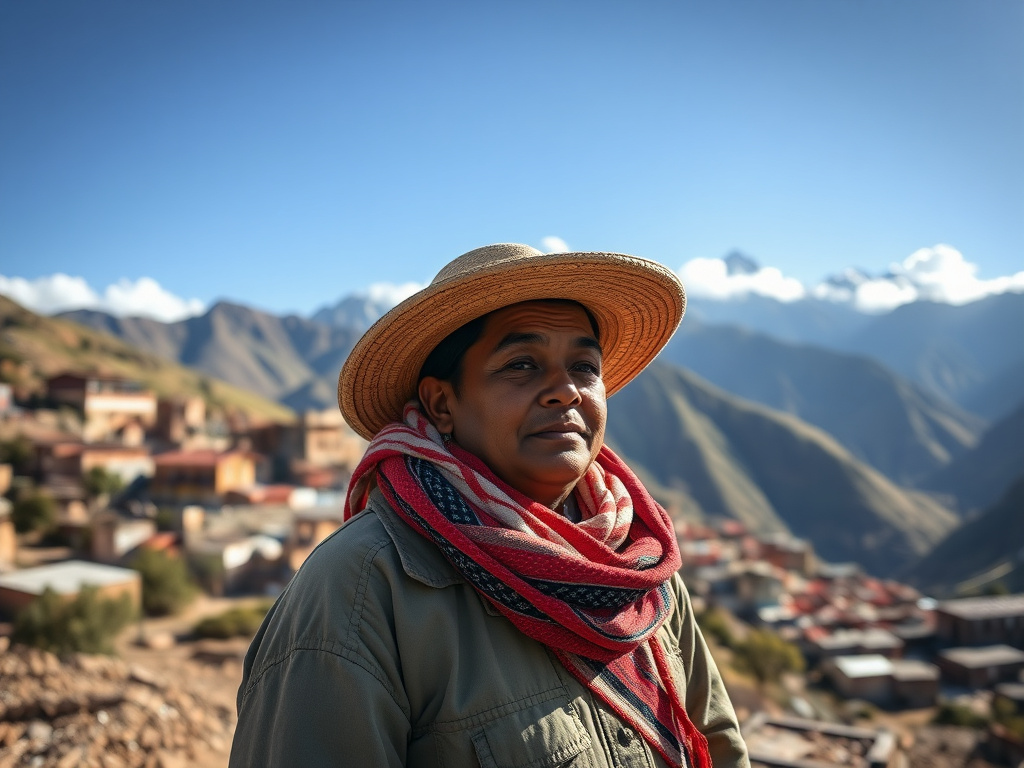
**Quechua** is deeply intertwined with the culture and traditions of the **Andean** region. Understanding the language can provide insights into the history, mythology, and daily life of the **Quechua** people. From the **Inti Raymi** festival to the **Textile** traditions, **Quechua** is an essential part of **Peruvian** cultural heritage.
Quechua Language and Identity
For many **Indigenous** people, **Quechua** is a symbol of identity and cultural pride. Learning the language can be a powerful way to show respect and appreciation for the **Quechua** community, acknowledging the historical and ongoing struggles of **Indigenous** peoples in **Peru**.
Practical Quechua Phrases for Travelers
Basic Quechua Phrases
Here are some essential **Quechua** phrases for travelers:
- Kamayaq (hello)
- Q'umir (goodbye)
- Sulpayki (thank you)
- Imaynallam (how are you?)
Quechua Phrases for Navigation
Learning **Quechua** phrases for navigation can be incredibly helpful, especially in rural areas where Spanish may not be widely spoken. Some useful phrases include:
- Maypi (where)
- Q'alla (how much)
- Ñawpaq (before)
Quechua Language Resources
Quechua Language Textbooks
There are several **Quechua** language textbooks available, ranging from beginner to advanced levels. Some popular options include "Quechua for Beginners" and "The Quechua Language Course". These textbooks can provide a comprehensive introduction to the language and its grammar rules.
Quechua Language Learning Apps
**Quechua** language learning apps, such as Duolingo and Memrise, offer a convenient and interactive way to learn the language. These apps can be used in conjunction with other resources, such as textbooks and language exchange programs, to provide a well-rounded learning experience.
Quechua Language and Safety
Quechua Language and Emergency Situations
In emergency situations, speaking **Quechua** can be a lifesaver. Knowing basic phrases, such as "help" (ayuda) and "emergency" (emergencia), can help you communicate with locals and get the assistance you need.
Quechua Language and Scams
Unfortunately, scams and petty theft can be a problem in tourist areas. Learning **Quechua** can help you navigate these situations with greater awareness and caution. Being able to communicate with locals in their own language can also help you build trust and avoid potential scams.

Costs and Budgeting for Quechua Language Learning
Quechua Language Course Costs
The cost of **Quechua** language courses can vary depending on the provider, location, and duration. Here is a comparison of some popular options:
| Provider | Cost (USD) | Duration |
|---|---|---|
| Language School in Cusco | 200-500 | 1-3 months |
| Online Language Course | 100-300 | 1-6 months |
| Language Exchange Program | 500-1000 | 3-6 months |
Quechua Language Learning Budget Tips
Here are some budget tips for **Quechua** language learning:
- Consider online language courses or language exchange programs
- Look for discounts or promotions
- Use language learning apps and textbooks to supplement your learning
Conclusion and Final Thoughts
Why Quechua Matters
Learning **Quechua** is not just about communicating with locals; it's about showing respect and appreciation for the **Indigenous** culture and traditions of **Peru**. As a traveler of color, I believe that learning **Quechua** can be a powerful way to connect with the **Quechua** community and promote **cultural exchange** and **language preservation**.
Practical Takeaways
Here are some practical takeaways for **Quechua** language learning:
- Start with basic phrases and grammar rules
- Use language learning apps and textbooks to supplement your learning
- Consider language exchange programs or online courses

Additional Resources and Tips
Quechua Language Learning Communities
Joining **Quechua** language learning communities can be a great way to connect with other learners, practice your skills, and get feedback and support. Look for online forums, social media groups, or local language meetups to find a community that works for you.
Quechua Language and Travel Tips
Here are some additional tips for traveling in **Peru** and learning **Quechua**:
- Be respectful of local customs and traditions
- Learn about the history and culture of the **Quechua** people
- Use **Quechua** phrases and vocabulary in real-life situations
Final Reflections and Recommendations
Quechua Language Learning Journey
Learning **Quechua** has been a rewarding and challenging experience, one that has deepened my understanding and appreciation of the **Indigenous** culture and traditions of **Peru**. I recommend that all travelers, particularly those from minority backgrounds, consider learning **Quechua** to enhance their travel experience and show respect for the local community.
Recommendations for Future Travelers
Here are some final recommendations for future travelers:
- Start learning **Quechua** before your trip to **Peru**
- Be patient and persistent in your language learning journey
- Use **Quechua** phrases and vocabulary in real-life situations
Replies & Discussion
Sign in as a member to reply to this post