
The Korean Passport Privilege I Did Not Know I Had Until I Traveled With Friends
Back to CategoryThe Korean Passport Privilege I Did Not Know I Had Until I Traveled With Friends
Passport Privilege Is Real. Here Is What It Felt Like to Understand Mine.
The South Korean passport is currently ranked among the top 5 in the world on the Henley Passport Index, with visa-free or visa-on-arrival access to approximately 193 countries. I knew this as an abstract fact. I did not understand what it meant in practice until I traveled with a group of friends who held Nigerian, Pakistani, and Iraqi passports, and I watched them navigate a world that I move through effortlessly.
I want to write about this honestly, because the travel media that speaks to strong-passport holders almost never acknowledges the structural privilege embedded in a document most of us received at birth and did not earn.
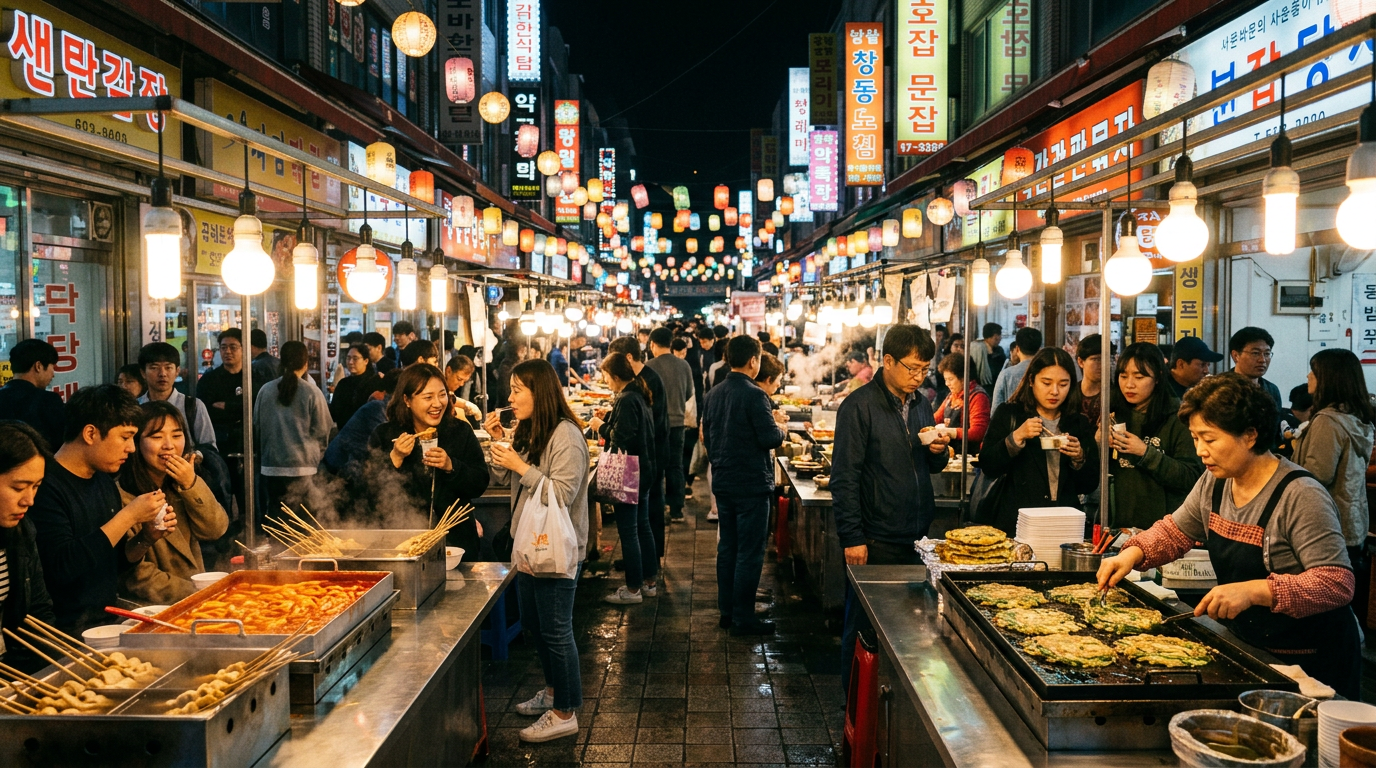
What Traveling With Restricted Passports Looks Like
During a group trip to Portugal, I watched my Nigerian friend spend three months collecting and organizing documentation for a Schengen visa application — bank statements, employment letters, property documents, a detailed itinerary — and pay the €90 non-refundable fee, and then wait for four weeks, and then receive an approval for exactly the dates of our trip, not one day longer. I booked my flight the week before departure with no additional documentation.
During a connecting flight through the UAE, I walked through immigration in four minutes. My Pakistani friend was taken to a secondary inspection that took forty-five minutes and involved questions about his travel purpose, itinerary, and financial situation. We had the same itinerary.
"The ease with which I move through the world is not a reflection of my individual merit. It is a structural condition that I was born into. Understanding this makes me a better traveler and, I hope, a more thoughtful citizen."
What Strong Passport Holders Can Do
Being aware of passport privilege is not just a philosophical exercise. There are concrete things strong-passport-holding travelers can do:
- Understand the actual barriers: Before planning group trips with friends who hold different passports, research the visa requirements for their documents, not yours. Plan timelines around the most restricted passport in your group.
- Support passport equity advocacy: Organizations like the International Air Transport Association (IATA) and Passportindex.org document passport inequality. Advocacy for fairer visa processing affects real people's lives.
- Use your privilege where it helps: Strong-passport-holder friends who are familiar with a destination can provide invitation letters, bank statements showing the trip is legitimate and supported, and personal vouching that genuinely improves visa approval rates for restricted-passport travelers.
- Vote and advocate appropriately: Bilateral visa agreements between countries are political decisions. Citizens of strong-passport countries can advocate for more equitable visa policies for countries whose travelers are disproportionately restricted.
South Korea's Own Visa History
Contextually: South Korea's current passport strength is a relatively recent development. Until the late 1980s, South Korean citizens required government approval to travel abroad, and outbound tourism was severely restricted. The Korean passport's current global standing was built over forty years of diplomatic effort, economic development, and international treaty negotiation. This context matters: passport strength is not inherent to national character. It is historical and political and reversible.
Replies & Discussion
Sign in as a member to reply to this post