
Survival Thai for Travelers: Essential Phrases, Tones, and Cultural Etiquette
Back to CategorySurvival Thai for Travelers: Essential Phrases, Tones, and Cultural Etiquette
As a traveler of color, I've often found myself navigating unfamiliar territories, not just physically, but also linguistically. My experiences in Thailand, a country known for its rich culture and beautiful landscapes, were no exception. I quickly realized that speaking even basic **Thai language** could make a significant difference in my interactions with locals, from ordering food to asking for directions. In this article, I'll share my journey of learning **survival Thai phrases**, understanding **Thai tones**, and embracing **Thai cultural etiquette**, all essential for a respectful and enjoyable travel experience in Thailand.
Learning a new language can be daunting, especially when it's a tonal language like Thai, where the same word can have different meanings based on the tone used. However, with the right approach and resources, it's definitely achievable. As a traveler of color, I've found that making an effort to **learn Thai travel** phrases and understand the local culture has helped me connect more deeply with the community, avoid misunderstandings, and even receive warmer welcomes from the locals. In the following sections, I'll delve into the world of Thai language, providing tips, phrases, and insights that I wish I had known before my travels, particularly focusing on **speak Thai Bangkok**, **Thai phrases food**, and **polite Thai travel** essentials.
Introduction to Thai Language
Why Learn Thai?
Learning Thai, even if it's just **survival Thai phrases**, can significantly enhance your travel experience in Thailand. It allows you to communicate more effectively with locals, appreciate the culture more deeply, and show respect for the country and its people.Thai Language Basics
Thai is a tonal language, which means that the tone used to pronounce a word affects its meaning. There are five main tones in Thai: low, mid, high, rising, and falling. Understanding and practicing these tones is crucial for effective communication.Thai Tones Explained
Tonal System Overview
The tonal system in Thai can seem complex at first, but it becomes more manageable with practice. The low tone is pronounced with a deep, level voice, while the mid tone is more neutral. The high tone requires a higher pitch, the rising tone starts low and rises, and the falling tone starts high and falls.Practicing Tones
To practice Thai tones, I recommend listening to native speakers and mimicking their pronunciation. Language learning apps and YouTube channels dedicated to teaching Thai can also be very helpful.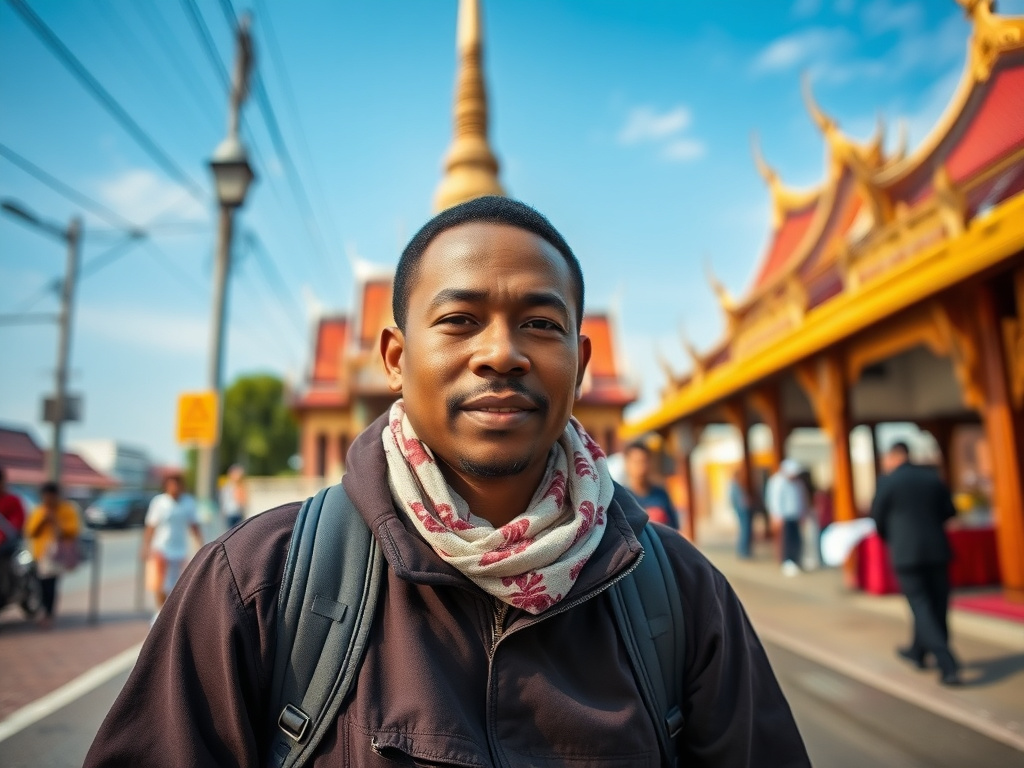
Essential Phrases for Travelers
Greetings and Introductions
Basic phrases like "Sawatdee" (hello), "Khop khun krap" (thank you),! and "Mai ow hai" (excuse me) are essential. Introducing yourself with "Suay suay" (nice to meet you) can also break the ice.Food and Dining
For **Thai phrases food**, learning to say "Kin khao" (eat rice), "Nam man" (oil), and "Mai ped" (not spicy) can be very useful, especially when trying street food or dining at local restaurants.Thai Cultural Etiquette
Respect for Elders
In Thai culture, respect for elders is paramount. Using polite language and gestures, such as the "wai" (a prayer-like gesture with the hands), when interacting with older individuals is a sign of respect.Temple Visits
When visiting temples, it's essential to dress modestly, remove your shoes when required, and avoid touching or pointing at Buddha images, as these actions are considered disrespectful.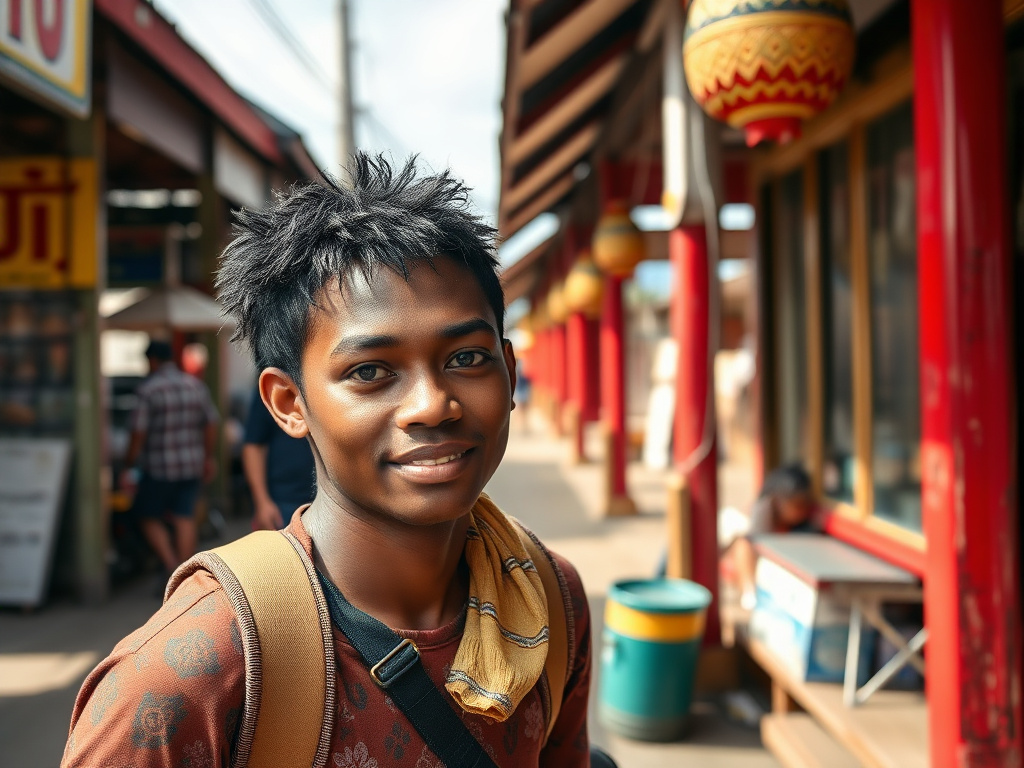
Language Learning Resources
Apps and Online Courses
There are several apps and online courses dedicated to teaching Thai, such as Duolingo, Rosetta Stone, and ThaiPod101. These resources can provide structured lessons and practice exercises.Language Exchange Programs
Participating in language exchange programs, where you teach your native language in exchange for learning Thai, can be a mutually beneficial and engaging way to learn.Costs and Practicalities
Language School Fees
The cost of attending a language school in Thailand can vary, but on average, a month of classes can cost between $200 to $500 USD.Living Expenses
Living expenses in Thailand, especially outside of major cities like Bangkok, can be relatively low, with a meal costing as little as $3 USD and a one-bedroom apartment costing around $200 USD per month.| City | Language School Fee (USD/month) | Living Expenses (USD/month) |
|---|---|---|
| Bangkok | 300 | 600 |
| Chiang Mai | 200 | 400 |

Community and Representation
Expats and Local Communities
Connecting with expat communities and local groups can provide valuable insights and support during your language learning journey.Cultural Events and Festivals
Participating in cultural events and festivals, such as the Songkran water festival, can be a fun and immersive way to practice your Thai skills and learn more about the culture.Safety as a Minority Traveler
General Safety Tips
As a minority traveler, it's essential to be aware of your surroundings, keep valuables secure, and avoid traveling alone at night.Respectful Interaction
Being respectful and considerate in your interactions with locals can go a long way in ensuring a safe and positive experience.
Conclusion and Practical Takeaways
Final Thoughts
Learning **survival Thai phrases**, understanding **Thai tones**, and embracing **Thai cultural etiquette** are crucial for a meaningful and respectful travel experience in Thailand. As a traveler of color, making an effort to connect with the local culture can lead to deeper connections and more positive interactions.Practical Advice
Start with basic phrases, practice tones regularly, and immerse yourself in the culture. Be respectful, open-minded, and patient, and you'll find that your journey in Thailand is not only enjoyable but also enriching.
Replies & Discussion
Sign in as a member to reply to this post