
Solo Female Travel: A Comprehensive Safety and Empowerment Guide
Back to CategorySolo Female Travel: A Comprehensive Safety and Empowerment Guide
The Numbers First
Approximately 70% of solo travelers globally are women. Female solo travel has grown faster than any other travel segment in the past decade. This growth is not despite safety concerns — it is partly in response to the realization that mainstream travel safety advice for women is often either paternalistic (don't go places) or inadequate (be careful). The approach taken here is different: specific, actionable, respect-based guidance that treats you as the competent adult you are.
The Real Safety Landscape
Solo female travelers face genuine safety considerations that differ from those of solo male travelers. Harassment — verbal, physical, and escalated forms — is more common for female travelers in many destinations. This is documented, real, and should not be minimized. It is also true that the overwhelming majority of solo female travel experiences, in the vast majority of destinations, do not involve serious safety incidents. Calibrating your risk assessment accurately — neither dismissing nor catastrophizing — is the practical skill that allows you to travel freely.
Destination Selection and Research
Destination selection matters more for safety than any behavioral adaptation. Some destinations have structural characteristics that make solo female travel significantly safer: strong rule of law, cultural norms around respectful treatment of women in public, established tourist infrastructure with accountable operators, and active female solo traveler communities who have documented the experience thoroughly.
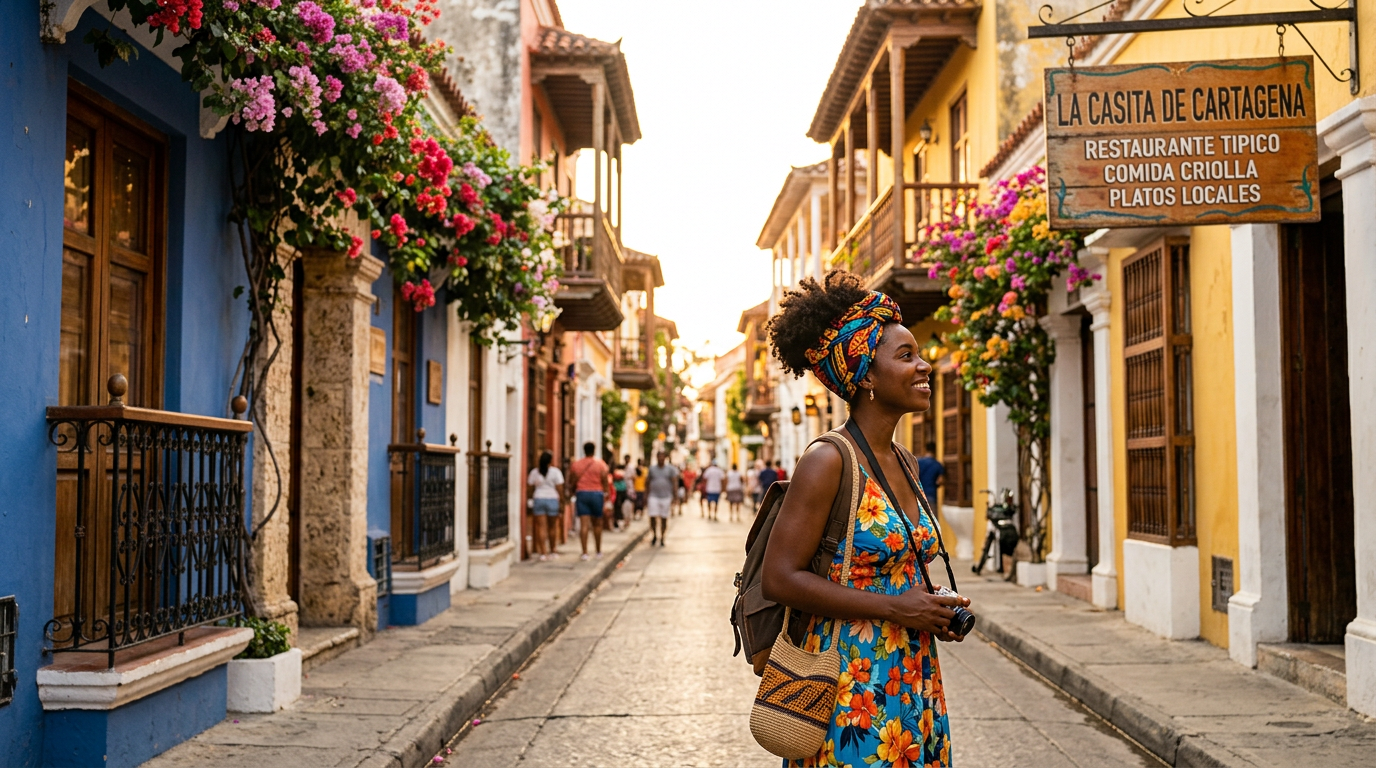
Consistently safe and welcoming destinations for solo female travelers based on community reports: Japan (exceptionally safe, excellent public transport, very low street harassment), Iceland, New Zealand, Bali (with caveats around nightlife areas), Portugal, Colombia (specific neighborhoods), Taiwan, Costa Rica, Rwanda, Morocco (with preparation and company in specific contexts). This list is not exhaustive and individual experiences vary.
Practical Safety Tools and Practices
- Share your itinerary: Before any trip, share your detailed accommodation information, flight details, and daily plan with at least one trusted contact at home. Update them on arrivals and departures. This is the single most important safety practice for any solo traveler.
- Check-in schedule: Establish a check-in schedule with your contact — a time each day when you will send a brief message confirming your safety. If you miss a check-in, they know to take action. This simple practice resolves most emergency response delays.
- Trusted accommodation: Prioritize accommodation with reliable safety reviews from female solo travelers specifically. Boutique hotels and hostels with 24-hour reception, good lighting, and documented safety records. Private rooms over dormitories for the first trip to any destination.
- Trust your instincts: The research on threat assessment is clear: human intuition for danger — particularly the low-level discomfort that precedes explicit threat — is a functional early warning system. The social pressure to dismiss that instinct as "being unfriendly" or "being paranoid" is dangerous. If a situation or person makes you uncomfortable, remove yourself without explanation or apology.
- Local SIM with data: A local SIM card with data from the moment you land means you have maps, translation, emergency contacts, and communication access from arrival. This is non-negotiable.
Community Resources for Solo Female Travelers of Color
The solo female travel experience is further shaped by race, religion, and other identity dimensions. Black Women Who Travel (Facebook group, 500,000+ members) is the most active community specifically for Black female solo travelers — destination-specific reports from recent Black female travelers are the most valuable preparation available for any destination. Solo Muslim Travelers provides guidance on mosque proximity, halal food access, prayer space availability, and culturally appropriate clothing by destination. Desi Girl Travels serves South Asian female solo travelers with specific cultural context.
Replies & Discussion
Sign in as a member to reply to this post