
Queer and Black in Lisbon: Finding Belonging in Europe's Unexpected Pride Capital
Back to CategoryQueer and Black in Lisbon: Finding Belonging in Europe's Unexpected Pride Capital
Why Lisbon Surprised Me
I did not expect Lisbon to feel queer. I knew about Bairro Alto, the traditional nightlife neighborhood. I knew Portugal had strong LGBTQ+ rights — same-sex marriage since 2010, adoption rights since 2016, one of Europe's most comprehensive gender identity laws. But knowing these facts and experiencing the city are different things.
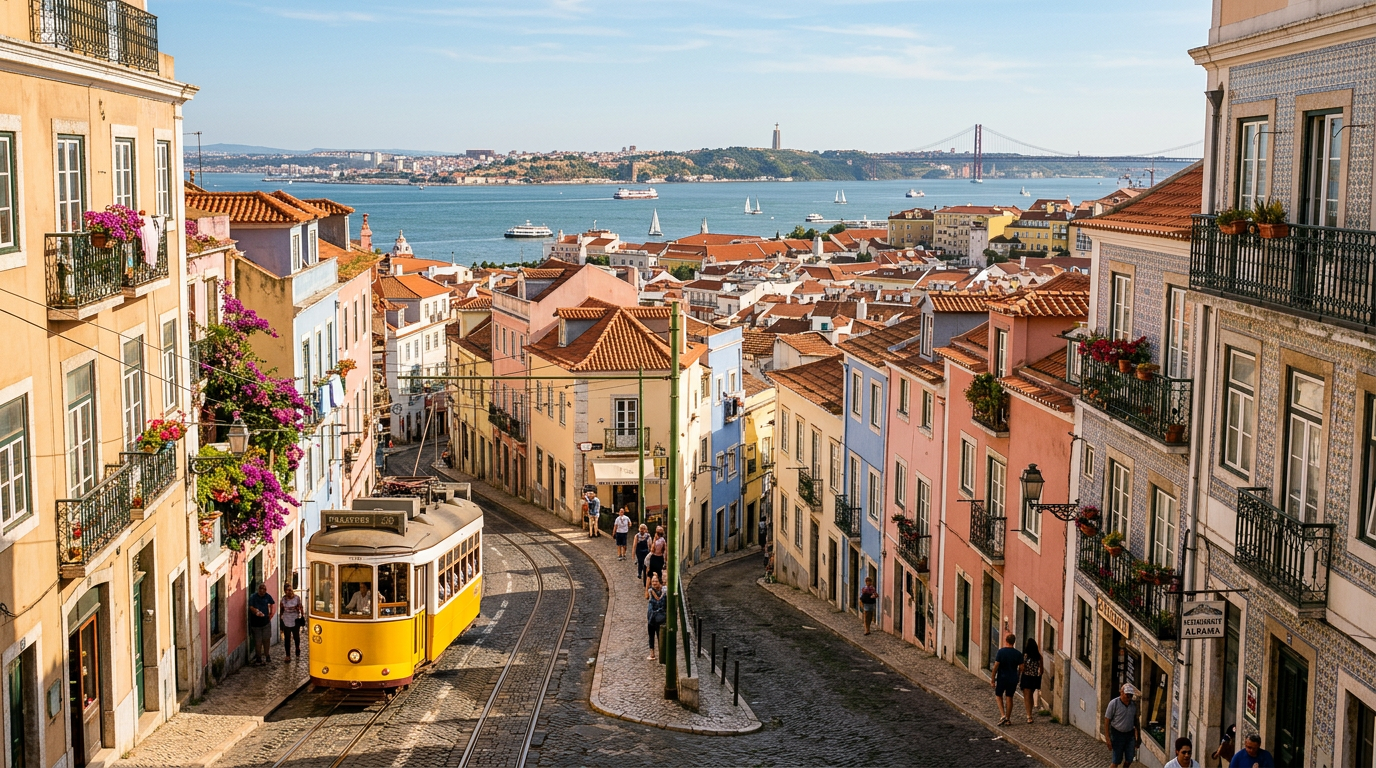
What I found in Lisbon was a city where queer life is woven into the fabric of everyday neighborhoods rather than confined to a designated district. The queer community in Mouraria — historically a marginalized neighborhood — is particularly visible and vibrant, shaped by the overlapping presences of LGBTQ+ people, immigrants, and artists who have together created something new in the ruins of something old.
Being Black and Queer: The Intersectional Reality
I want to be direct about something that is often elided in LGBTQ+ travel content: queer travel experiences are not uniform. A white gay man's experience of Europe is categorically different from a Black queer woman's experience of the same continent. The racism that exists in LGBTQ+ spaces in Europe — the sexual racism on dating apps, the invisible hierarchies in club culture — does not disappear because you are in a liberal city.
That said, Lisbon was — genuinely, consistently — better than other European cities I had visited. The intersectional awareness within the local queer community was higher. The presence of queer people of African descent (many connected to Portugal's Lusophone African communities) made me feel less like an outlier and more like part of a visible, connected community.
"The most radical queer spaces are the ones where Blackness is not erased but centered."
Lisbon Pride and the Community Around It
Lisbon Pride happens in late June, around the International Day Against Homophobia. It is enormous by European standards — hundreds of thousands of participants — and it draws a genuinely international crowd. The pride parade itself is joyful and political simultaneously: Portuguese LGBTQ+ organizations with genuine policy agendas alongside NGOs, dance groups, and activist contingents from across the Lusophone world.
The week around Pride includes film screenings, art exhibitions, community conversations, and parties in venues that don't have cover charges. The overall atmosphere is more activist-community than commercial-party, which I personally prefer.
Essential Queer Lisbon Resources
- Purex Bar: Mouraria, consistently welcoming to queer people of color, intersectional community, excellent music.
- ILGA Portugal: The primary LGBTQ+ rights organization. Their website has practical resources for LGBTQ+ travelers including legal information and support contacts.
- Queer nightlife neighborhoods: Bairro Alto (classic), Cais do Sodré (mixed, increasingly queer-friendly), Intendente/Mouraria (neighborhood queer culture rather than bars).
- Safety: Lisbon has very low rates of anti-LGBTQ+ violence. Exercise standard urban awareness. Same-sex couples holding hands in most neighborhoods is unremarkable.
Replies & Discussion
Sign in as a member to reply to this post