
Portuguese vs Spanish: A Traveler's Practical Guide to Understanding the Difference
Back to CategoryPortuguese vs Spanish: A Traveler's Practical Guide to Understanding the Difference
As a traveler of color, I've often found myself navigating unfamiliar languages and cultures, searching for a sense of belonging and connection. Recently, I embarked on a journey to explore the differences between Portuguese vs Spanish, two languages that, although distinct, share a common thread. My goal was to gain a deeper understanding of the local language and customs, and to share my findings with fellow travelers of color who may be facing similar challenges. From the vibrant streets of Brazil to the charming towns of Spain and Portugal, I discovered that learning the local language is key to unlocking the true essence of a destination.
As a Spanish speaker myself, I was surprised by the similarities between Spanish and Portuguese, yet also fascinated by the unique cultural nuances that set them apart. I soon realized that European Portuguese and Brazilian Portuguese have distinct differences, and that Portuguese Spanish similarities can sometimes lead to confusion. Through my journey, I hope to provide a practical guide for fellow travelers of color who are eager to learn the local language and navigate the complexities of Portuguese vs Spanish. Whether you're a seasoned traveler or just starting to plan your next adventure, this guide is designed to help you make the most of your experience and connect with the local culture in a meaningful way.
Introduction to Portuguese and Spanish
Similarities and Differences
Language Families and Origins
The Portuguese and Spanish languages belong to the Romance language family, which originated from Latin. Although they share many similarities, they have distinct differences in terms of grammar, vocabulary, and pronunciation. Understanding these differences is crucial for travelers who want to communicate effectively with locals and avoid confusion.
Portuguese vs Spanish: Grammar and Vocabulary
Verb Conjugations and Tenses
Vocabulary and Idiomatic Expressions
One of the main differences between Portuguese and Spanish is the verb conjugation system. Portuguese has a more complex system, with many irregular verbs, while Spanish has a more consistent system. Additionally, Portuguese has a unique set of vocabulary and idiomatic expressions that are not found in Spanish. For example, the Portuguese word for "hello" is "olá", while in Spanish it's "hola".
European Portuguese vs Brazilian Portuguese
Pronunciation and Accent
Vocabulary and Cultural References
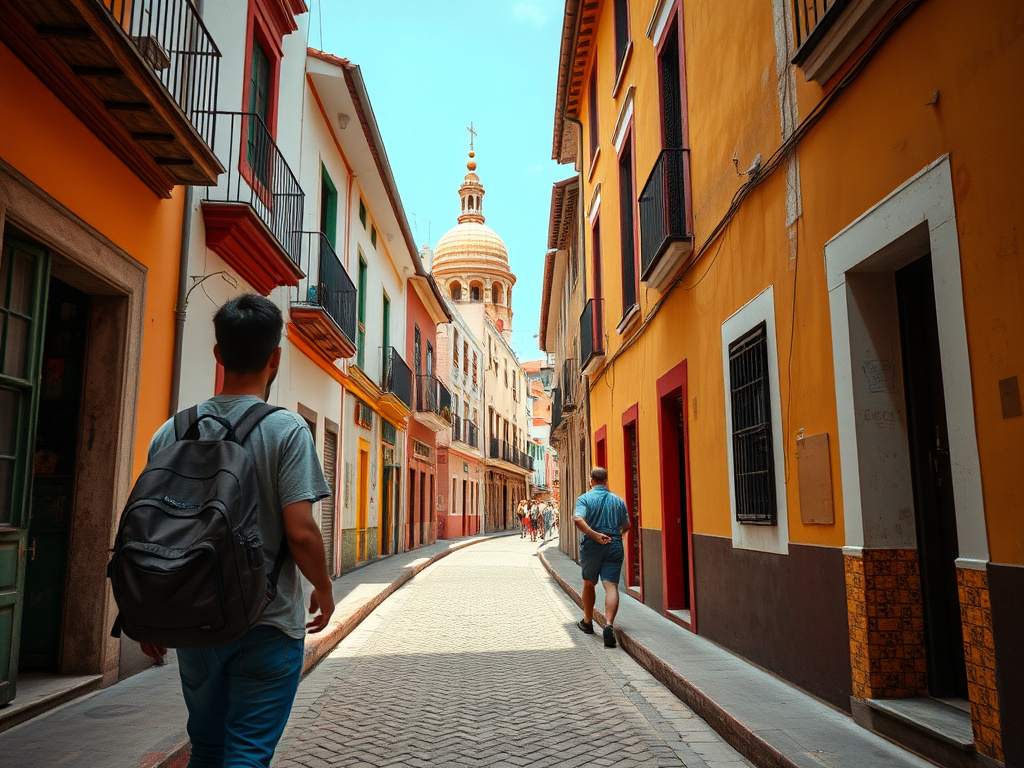
European Portuguese and Brazilian Portuguese have distinct differences in terms of pronunciation, accent, and vocabulary. European Portuguese is spoken in Portugal and has a more formal tone, while Brazilian Portuguese is spoken in Brazil and has a more informal tone. Additionally, Brazilian Portuguese has many cultural references and expressions that are unique to Brazil.
Spanish Speaker Learn Portuguese
Similarities and Cognates
Challenges and Tips for Learning
As a Spanish speaker, learning Portuguese can be relatively easy due to the many similarities between the two languages. Many words are cognates, meaning they are similar in both languages, such as "telefono" (phone) and "telefon" (phone). However, there are also many challenges, such as the different grammar and pronunciation systems. Tips for learning Portuguese as a Spanish speaker include focusing on the differences between the two languages and practicing regularly.
Portuguese Spanish Similarities
Vocabulary and Grammar
Cultural and Historical Context
Despite the differences between Portuguese and Spanish, there are many similarities between the two languages. Many words are similar, and the grammar systems share many similarities. Additionally, the cultural and historical context of the two languages are closely tied, with both languages having been influenced by Latin and other languages.
Costs and Ratings: Portuguese vs Spanish
Language Courses and Materials
Travel and Accommodation
| Language | Language Course | Travel and Accommodation |
|---|---|---|
| Portuguese | $500-$1000 | $1000-$2000 |
| Spanish | $300-$800 | $800-$1500 |
The costs of learning Portuguese or Spanish can vary depending on the language course and travel and accommodation options. On average, a Portuguese language course can cost between $500-$1000, while a Spanish language course can cost between $300-$800. Travel and accommodation costs can also vary, with Portugal and Brazil tend to be more expensive than Spain.

Cultural Nuances and Local Customs
Food and Drink
Festivals and Celebrations
Understanding the cultural nuances and local customs of Portugal, Brazil, and Spain is crucial for travelers who want to immerse themselves in the local culture. From the delicious food and drink to the vibrant festivals and celebrations, each country has its unique customs and traditions. For example, in Portugal, it's customary to greet someone with a handshake or a hug, while in Brazil, it's common to use physical touch and gestures to communicate.
Community and Representation
Language Exchange and Meetups
Cultural Events and Festivals
Connecting with the local community and finding representation as a traveler of color can be challenging, but there are many resources available. Language exchange and meetups can be a great way to meet locals and practice your language skills, while cultural events and festivals can provide a unique opportunity to experience the local culture. Additionally, many cities have Black, Latinx, and Indigenous communities that can provide support and connection for travelers of color.
Conclusion and Practical Takeaways
Language Learning Tips
Cultural Immersion and Connection
In conclusion, understanding the differences between Portuguese vs Spanish is crucial for travelers who want to communicate effectively with locals and immerse themselves in the local culture. As a traveler of color, it's essential to be aware of the cultural nuances and local customs of each country and to connect with the local community. Practical takeaways include focusing on the differences between the two languages, practicing regularly, and seeking out cultural events and festivals. By following these tips, travelers of color can have a more authentic and meaningful experience in Portugal, Brazil, and Spain.
Replies & Discussion
Sign in as a member to reply to this post