
Passport Privilege and the Reality of International Mobility
Back to CategoryPassport Privilege and the Reality of International Mobility
The World Doesn't Have Equal Travel Freedom
Most travel content is written from the implicit perspective of a powerful passport holder — someone carrying a US, UK, German, or Australian passport who can enter approximately 180–195 countries visa-free or with visa-on-arrival. For approximately 3 billion people carrying passports from developing countries, international travel requires visa applications for most destinations, with significant costs, documentation burdens, and uncertainty.
This guide addresses passport mobility from a perspective that recognizes this disparity — providing practical information for both powerful and less powerful passport holders, while being honest about the structural inequalities that shape international travel access.
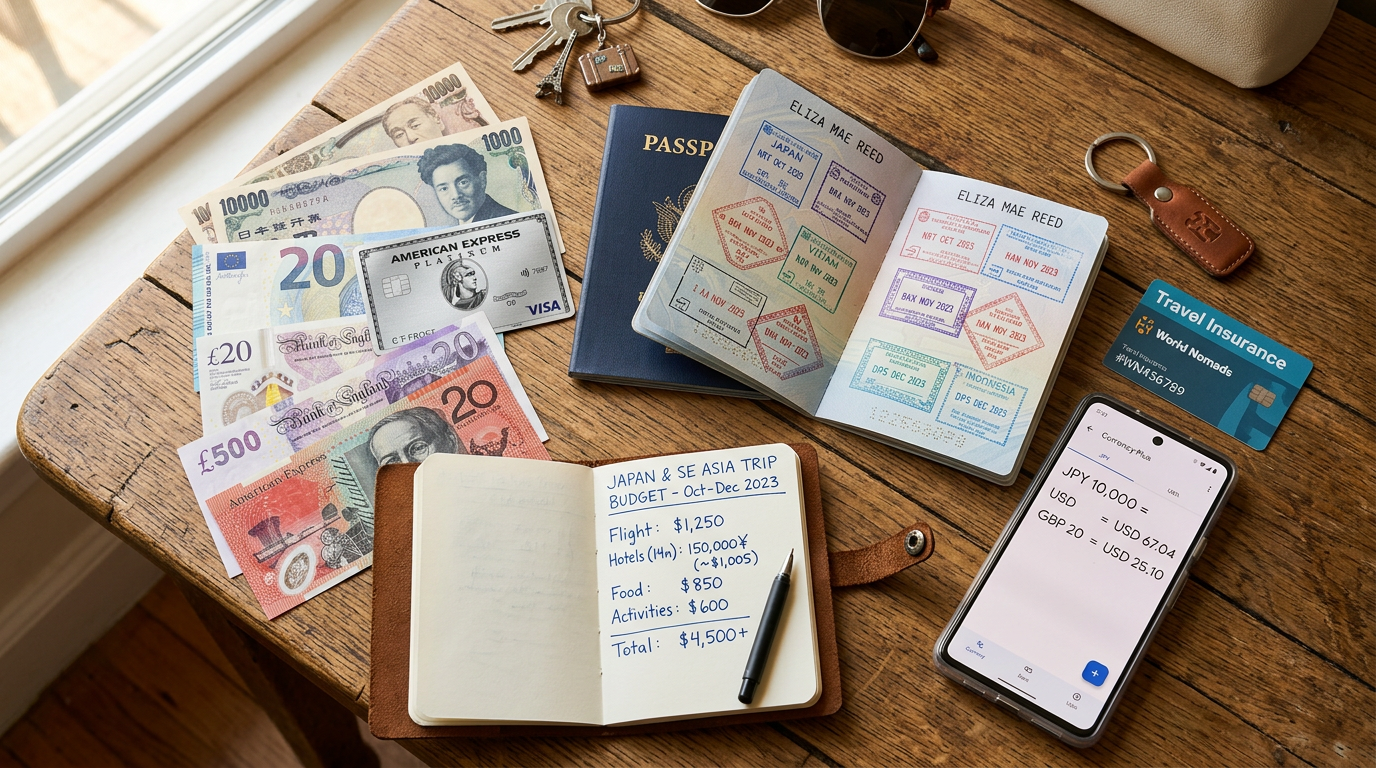
The Henley Passport Index: What It Actually Measures
The Henley Passport Index ranks passports by the number of destinations accessible without a prior visa. As of 2025: Japan, Singapore, and France lead (access to approximately 190+ destinations). At the other end: Afghanistan, Syria, and Iraq provide access to approximately 25–30 destinations visa-free. The US passport (approximately 184 destinations) places in the top 10. The full list reveals the global hierarchy of mobility quite starkly.
What the index does not measure: visa application rejection rates (a powerful passport for which applications are frequently denied provides different practical access than a weaker passport with high approval rates), processing time and costs, requirements that function as effective barriers for working-class travelers regardless of nationality (bank statements requirements, property ownership evidence, strong home ties documentation), and the indignity of the application process itself.
Visa Applications: The Documents You Actually Need
Most visa applications require variations of the same core documentation package. Having these prepared proactively makes any visa application significantly less stressful:
- Valid passport: Generally required to have at least 6 months validity beyond your planned departure date. Check each country's specific requirement — some require only 3 months beyond departure, others require a full year.
- Proof of onward travel: Return flight bookings or onward travel from the destination country. Some countries require this at entry even for visa-free travelers. For travelers who buy one-way tickets by preference (not uncommon for long-term travelers), this creates complications — book the cheapest available refundable or flexible onward flight as documentation.
- Proof of accommodation: Hotel booking confirmations, host invitation letters, or rental agreements for the full stay.
- Proof of sufficient funds: Bank statements showing adequate financial resources for the duration of the trip. The specific amount varies by country and duration but a common requirement is evidence of approximately $50–100/day of intended stay. Three months of statements is typically requested.
- Travel insurance: Required for Schengen Area (European Union) visas and increasingly for other destinations. Policy must cover medical expenses and repatriation with specific minimum coverage amounts (minimum €30,000 for Schengen).
The Schengen Visa: The Most Complex Tourist Visa in the World
The Schengen Area — 26 European countries that share a single visa — processes applications that are technically straightforward but practically complex for applicants from countries with lower passport strength. Key Schengen visa facts:
You must apply through the consulate of your "primary destination" (where you will spend the most time). If you are visiting multiple countries equally, you apply through the first country of entry. The application must be submitted no more than 6 months and no less than 15 days before planned travel.
The refusal rate for Schengen visas varies dramatically by applicant nationality and processing consulate. Applicants from some West African countries face refusal rates of 30–50% at certain consulates. This is documented and real — not speculative. If you are in a high-refusal demographic, engage a reputable immigration lawyer or visa agency for your first application.
Second Passport Strategy: The Long-Term Mobility Investment
Acquiring a second passport — through ancestry, naturalization, investment, or marriage — is increasingly a deliberate long-term mobility strategy for wealthy individuals and families from countries with weak passport power. The most common legal pathways:
- Ancestry (citizenship by descent): Many countries (Ireland, Italy, Poland, Germany, Portugal, Brazil) offer citizenship to descendants of nationals. The genealogical research requirement varies but the pathway is well-established and often achievable within 1–3 years.
- Naturalization: Requires residence in the target country for 3–10 years (varies dramatically). The most straightforward path for expats who are genuinely building a life in another country.
- Citizenship by investment: Dominica, Grenada, Saint Kitts and Nevis, Vanuatu, Jordan, Turkey, and others offer citizenship in exchange for investment (typically $100,000–$250,000+). Provides immediate access to an additional passport. Due diligence required — the programs vary in quality and security of the citizenship provided.
Replies & Discussion
Sign in as a member to reply to this post