
On Being Second-Generation: When the Country Your Parents Left Is Not the Country You Visit
Back to CategoryOn Being Second-Generation: When the Country Your Parents Left Is Not the Country You Visit
My India Is Not India
My parents left Ahmedabad in 1989. I was born in Leicester, England, in 1991. The India of my childhood was a constructed thing — made of my parents' memories, the Hindi films we watched on weekend afternoons, the food my mother cooked every day, and the stories about a country that no longer existed exactly as they remembered it.
When I went to India for the first time at twenty-two, I discovered the gap between the India of my imagination and the India that actually existed in 2013. The gap was wider than I had expected and more instructive than any travel writing had prepared me for.
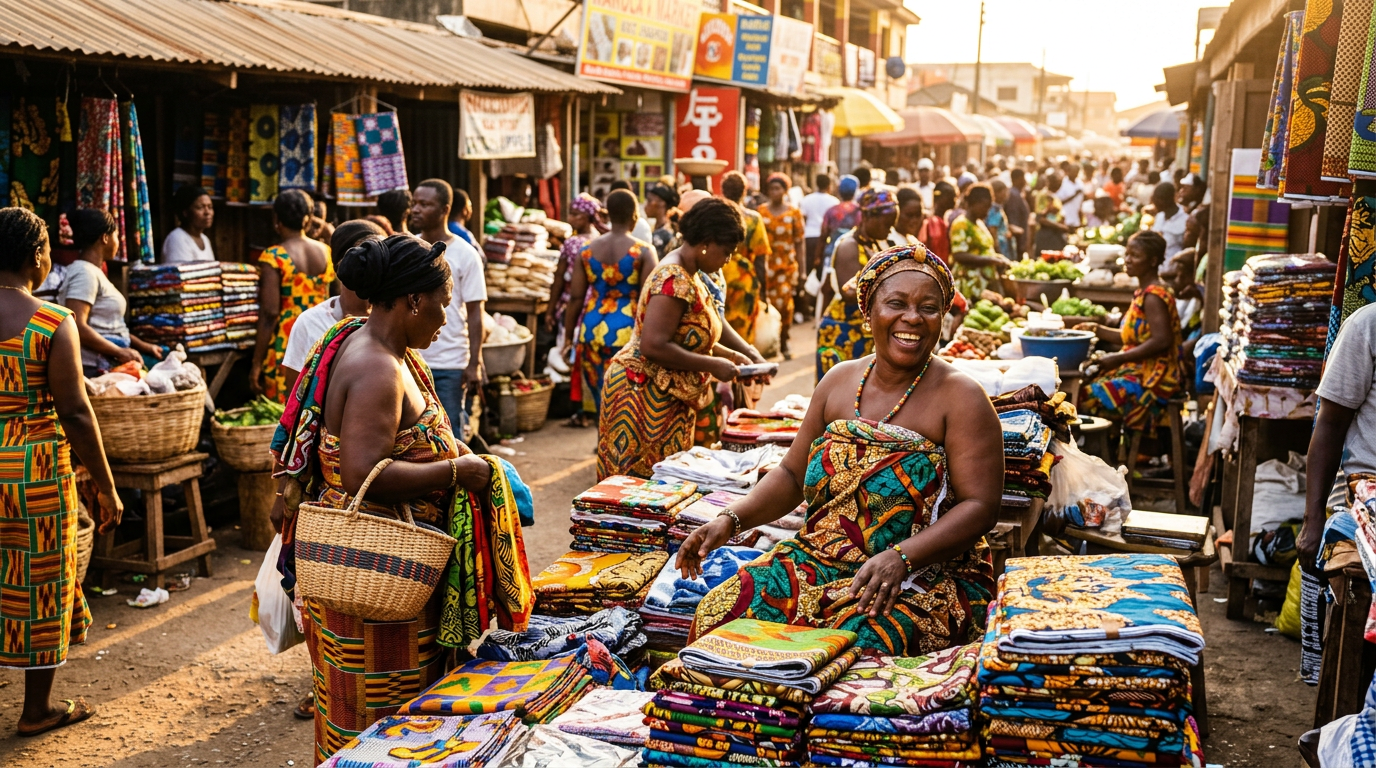
The Reunion That Was Not a Reunion
I spoke Gujarati with the cadence of a child who had learned it in Leicester from parents who remembered Ahmedabad. The Gujarati I spoke was thirty years out of date. Modern Ahmedabad spoke faster, with new vocabulary absorbed from Hindi films and mobile phones, and the linguistic gap meant I was immediately identifiable as diaspora — simultaneously from here and not from here.
My relatives were warmly, lovingly, and perpetually bewildered by me. I dressed like a British Indian. I ate like a vegetarian but ordered at restaurants like someone who could eat anything. My Hindi was better than my Gujarati (learned from films). My knowledge of Indian history was more academic than familial. I was a particular kind of Indian that my relatives had no category for.
"The diaspora is not a bridge between two countries. It is a third thing — neither here nor there, and more interesting than either."
What Second-Generation Travel Teaches You
Three return visits and several long conversations later, I have come to understand that the gap between my India and India-India is not a failure of either version. It is the evidence of a century of human movement and adaptation — of people who left, changed, raised children in new places, and created something new that is also genuinely them.
My mother's memory of Ahmedabad is not false because Ahmedabad has changed. It is the honest record of a place at a moment. My experience of Ahmedabad is not shallow because it is a tourist experience filtered through diaspora expectations. It is the honest record of a different kind of relationship to the same city.
For Other Second-Generation Travelers
- Lower your expectations of recognition: The ancestral homeland may not feel like home. That is fine. It can feel like something else entirely and still be valuable.
- Connect with other diaspora travelers: The second-generation experience of "going back" is specific and increasingly well-documented. Finding communities of people who share it is both validating and practically useful.
- Ask your relatives questions: Not about the country you know from Wikipedia. About their lives, their neighborhoods, what was true before things changed. These conversations are irreplaceable and time-sensitive.
- Allow yourself to be a tourist: You do not have to perform native citizenship. You do not have to know everything. Treating the ancestral homeland as a place you are learning about — with curiosity rather than obligation — can transform the experience.
Replies & Discussion
Sign in as a member to reply to this post