
Japanese for Travelers: 50 Essential Phrases That Will Transform Your Tokyo Trip
Back to CategoryJapanese for Travelers: 50 Essential Phrases That Will Transform Your Tokyo Trip
As a traveler of color, I've often found myself navigating unfamiliar territories, not just geographically, but also linguistically. My experiences in Japan, a country renowned for its unique culture and etiquette, have been particularly memorable. Initially, the prospect of learning **Japanese phrases for travel** seemed daunting, but I soon discovered that mastering even the basics of **Japanese for travelers** could significantly enhance my experiences. From **essential Japanese words** like "konnichiwa" (hello) to more complex phrases like "sumimasen" (excuse me), I began to unravel the intricacies of the language, and with it, the culture. This journey of learning **Japanese basics** not only deepened my connection with the locals but also made my **Tokyo travel** much more enjoyable and immersive.
My motivation for **learning Japanese** stemmed from a desire to engage more authentically with the communities I visited. As a **diverse traveler in Japan**, I was keen on moving beyond the superficial interactions that often characterize tourist experiences. By dedicating time to understand and practice **Japanese greeting etiquette**, I found that my interactions with locals became warmer and more meaningful. This article is designed to share my insights and the **essential Japanese phrases** that transformed my **Tokyo trip** into a rich tapestry of cultural exchange and exploration. Whether you're a seasoned traveler or embarking on your first journey to Japan, the following guide is tailored to help you navigate the linguistic and cultural nuances of this fascinating country.
Introduction to Japanese Language
Understanding the Basics
For travelers, **learning Japanese basics** can seem like a daunting task due to the complexity of its writing systems and grammatical structures. However, focusing on **essential Japanese words and phrases** can make a significant difference. Starting with basic greetings like "ohayou gozaimasu" (good morning), "konnichiwa" (good day), and "konbanwa" (good evening) can set the tone for respectful interactions.
Importance of Language in Culture
Language plays a critical role in Japanese culture, reflecting the country's values of respect, harmony, and community. Understanding and using **Japanese phrases for travel** appropriately can demonstrate your respect for the culture and people, potentially leading to more positive and engaging interactions during your **Japan travel**.
Phrases for Everyday Interactions
Basic Phrases
Mastering basic phrases such as "arigatou" (thank you), "sumimasen" (excuse me), and "gomen nasai" (sorry) can facilitate smoother interactions. For **travelers of color**, being able to communicate even these simple phrases can help in breaking the ice and showing an effort to connect with the local culture.
Food and Drink
When dining out, knowing phrases like "menu o kudasai" (may I have the menu) and "o-kaikei o kudasai" (the bill, please) can be very helpful. Additionally, if you have specific dietary restrictions, learning to say "bejitarian desu" (I am a vegetarian) or "gyou Niku wa tabemasen" (I don't eat beef) can ensure you have a more enjoyable and safe dining experience.
Cultural Nuances and Etiquette
Respect and Politeness
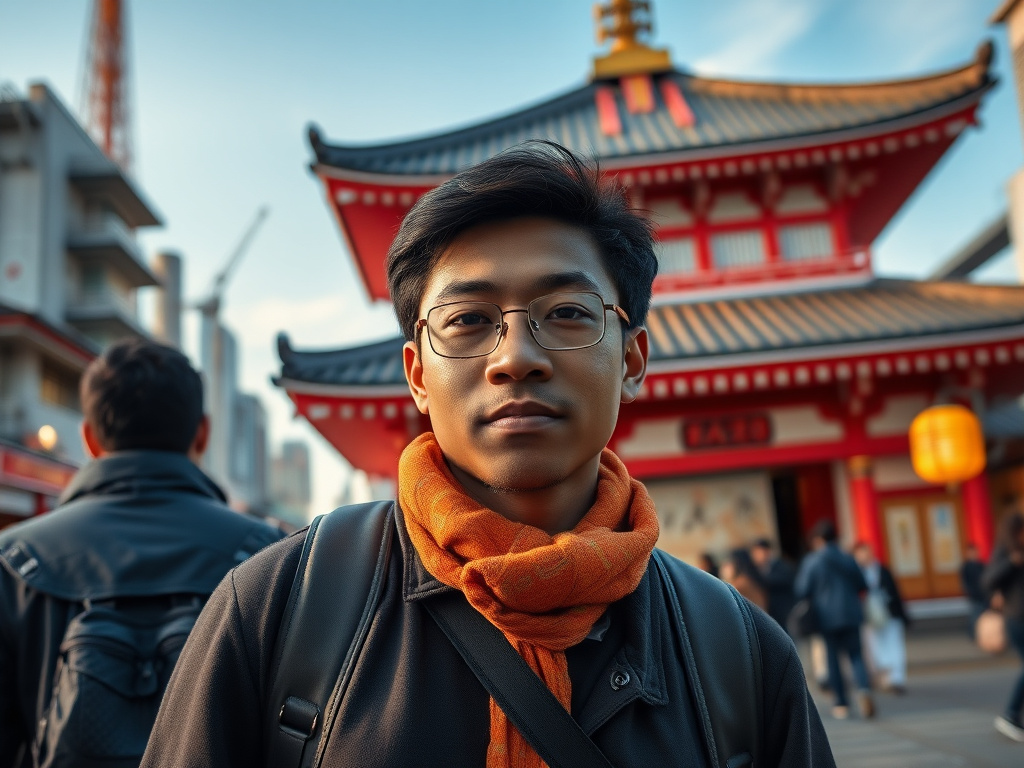
Cultural nuances, such as the use of honorific language and understanding of personal space, are crucial. **Japanese greeting etiquette** involves bowing, with the depth and duration of the bow depending on the situation. Showing respect through language and actions can significantly impact how you are received by locals during your **Tokyo travel guide** experience.
Gift Giving
In Japan, gift giving (omi-yage) is a significant custom, especially when returning from a trip. Choosing a thoughtful gift and presenting it appropriately, with both hands and a slight bow, can be a meaningful gesture of appreciation for the hospitality you've received.
Safety and Emergency
Basic Emergency Phrases
Knowing **essential Japanese phrases** for emergencies, such as "kyuu-kyuu desu" (it's an emergency) or "keisatsu o yonde kudasai" (call the police), is vital. Additionally, carrying a **Japanese phrasebook for travel** or using a translation app on your smartphone can be incredibly useful.
Staying Safe
Japan is generally considered a very safe country, but as with any travel, being aware of your surroundings and keeping valuables secure is advisable. For **solo travelers of color**, staying informed about local conditions and having a plan for emergency situations can provide peace of mind.
Language Learning Resources
Apps and Courses
Utilizing language learning apps like Duolingo or taking an online course can be an effective way to **learn Japanese basics** before your trip. These resources often include **essential Japanese phrases for travel**, ensuring you're well-prepared for common situations.
Language Exchange Programs
Engaging in language exchange programs, where you can practice speaking with native speakers, can significantly improve your pronunciation and comprehension. This interaction can also provide valuable insights into **Japanese culture and customs**.
Costs and Practicalities
Language Schools
For those interested in a more immersive experience, enrolling in a **Japanese language school** can offer structured learning and cultural immersion. Costs can vary, but on average, a month's tuition can range from $500 to $1,500 USD.
Visa Requirements
Depending on your nationality, visa requirements for Japan may apply. Researching the specific requirements for your country and ensuring you understand the application process is essential for a smooth trip.
| Language School | Monthly Tuition (USD) | Location |
|---|---|---|
| Tokyo Language School | 800 | Tokyo |
| Osaka Language Institute | 600 | Osaka |
| Kyoto Japanese Academy | 1,000 | Kyoto |
Community and Representation
Diverse Travel Communities
Connecting with **diverse travel communities** can provide valuable support and advice. These communities often share insights on **Japan travel tips**, language, and cultural experiences, helping to prepare you for your journey.
Cultural Events and Festivals
Participating in local events and festivals can be a great way to immerse yourself in Japanese culture. From the Cherry Blossom Festival to the Golden Week, there are numerous opportunities to experience the country's vibrant cultural scene.
Reception by Locals
General Attitudes
Generally, locals in Japan are very welcoming to foreigners, with many taking great pride in their hospitality. Showing an effort to **learn Japanese basics** and respect cultural norms can be greatly appreciated.
Engaging with the Community
Engaging in community activities or visiting local shops and restaurants can provide opportunities to interact with locals. Smiling, being polite, and showing genuine interest in the culture can go a long way in receiving a warm welcome.
Conclusion and Practical Takeaways
Final Thoughts
Embarking on a journey to Japan as a **traveler of color** can be a deeply rewarding experience, especially when armed with **essential Japanese phrases** and an understanding of the local culture. Remember, the effort to **learn Japanese** and engage with the community can open doors to more authentic and enriching interactions.
Practical Advice
For **solo female travelers of color** or any minority traveler, ensuring safety while traveling is paramount. Staying informed, being mindful of your surroundings, and having a support network can provide peace of mind. Additionally, don't hesitate to reach out to local communities or fellow travelers for advice and support.
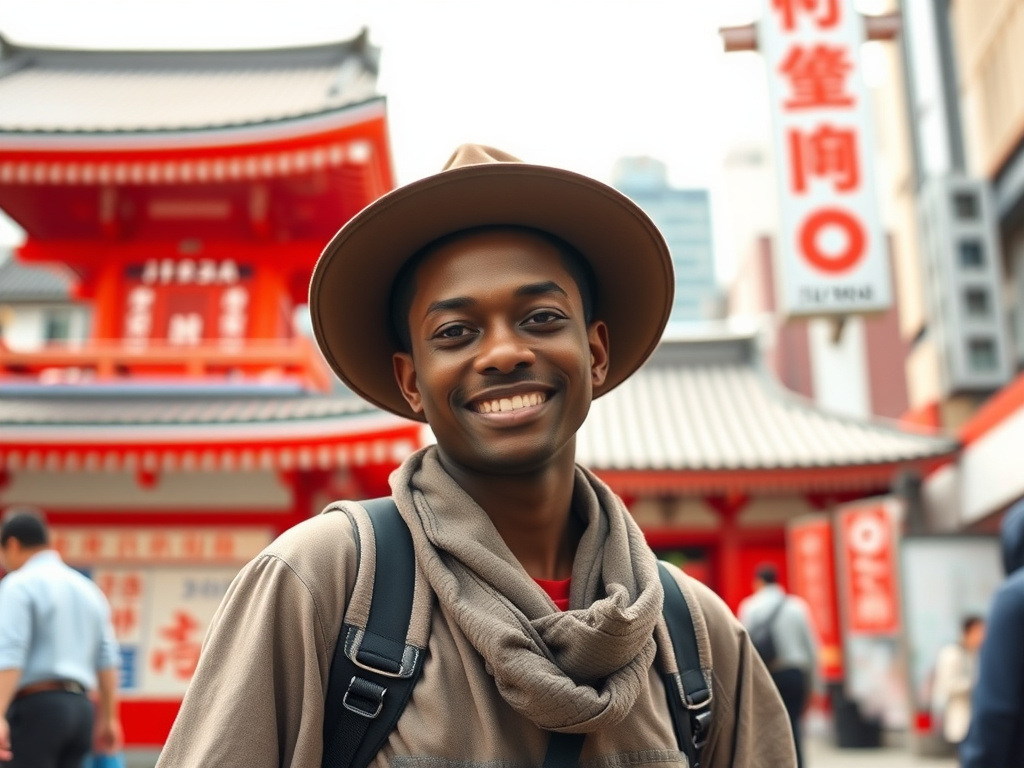
In conclusion, **Japanese for travelers** is not just about **learning Japanese basics**; it's about embracing a culture, respecting its nuances, and opening yourself to new experiences. As you prepare for your **Tokyo travel guide** adventure, remember that every phrase learned, every bow made, and every respect shown is a step towards a more meaningful and memorable journey. Safe travels, and enjoy your exploration of this incredible country.
Replies & Discussion
Sign in as a member to reply to this post