
How to Reach Conversational French Faster: The Traveler's Immersion Method
Back to CategoryHow to Reach Conversational French Faster: The Traveler's Immersion Method
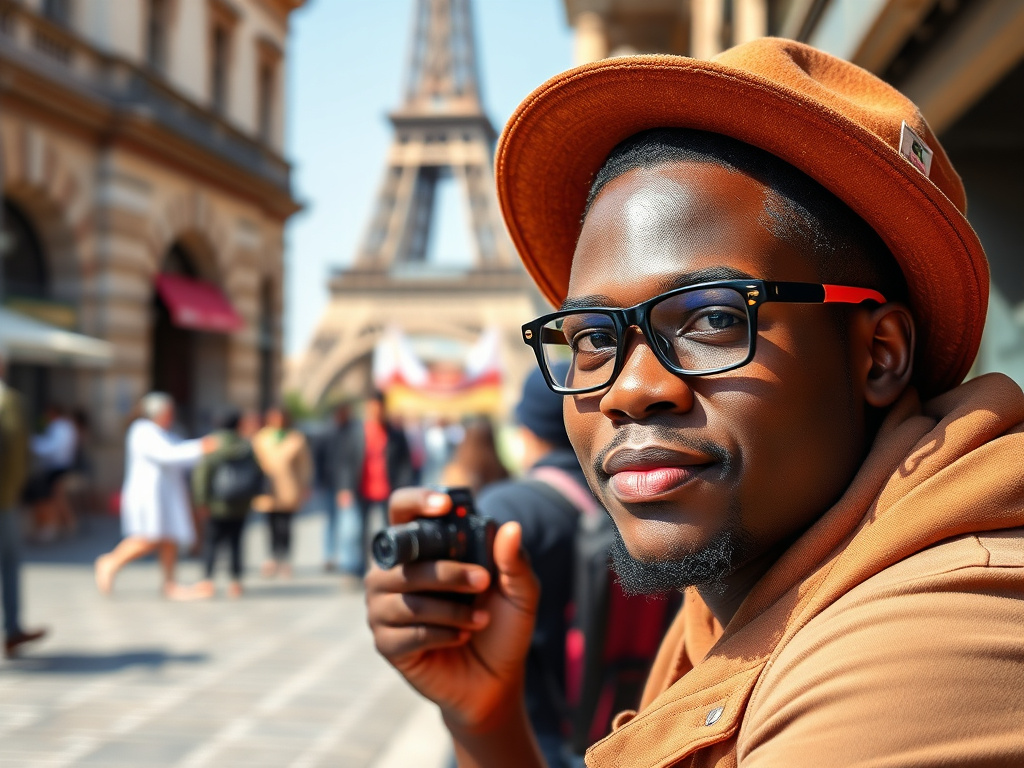
As a traveler of color, I've often found myself at a crossroads when it comes to learning the local language. On one hand, I want to immerse myself in the culture and connect with the people, but on the other hand, I'm aware of the potential challenges that come with being a minority in a foreign land. When I decided to learn French, I knew that I had to find a method that would allow me to reach conversational level quickly, while also being mindful of my own unique experiences and needs as a traveler of color. In this article, I'll share with you my journey of learning French using the immersion method, and provide practical tips and advice for fellow travelers of color who want to do the same.
Learning a new language can be daunting, especially when you're already navigating the complexities of being a minority traveler. However, I've found that speaking the local language has been a game-changer for me, allowing me to connect with people on a deeper level and navigate unfamiliar places with confidence. As a traveler of color, I've often felt like I stick out like a sore thumb, but speaking French has helped me to blend in and feel more at home. Whether you're planning to travel to Paris, West Africa, or any other French-speaking destination, learning conversational French can make all the difference. In this article, I'll share my experiences and provide guidance on how to learn French quickly and effectively, with a focus on the unique needs and perspectives of travelers of color.
Introduction to the French Immersion Method
What is the French Immersion Method?
The French immersion method is a language learning approach that involves surrounding yourself with the French language as much as possible. This can include listening to French music, watching French movies, speaking with native speakers, and reading French books and articles. The idea is to immerse yourself in the language and learn by doing, rather than just studying grammar rules and vocabulary lists.
Benefits of the French Immersion Method
The French immersion method has several benefits, including improved pronunciation, increased vocabulary, and enhanced comprehension. By surrounding yourself with the language, you'll be able to pick up on nuances and expressions that you might not learn through traditional language classes. Additionally, the immersion method can help you to develop a more natural and intuitive sense of the language, which can be especially helpful for travelers who want to communicate effectively with locals.
Learning French for Travel
French Phrases for Travelers
When traveling to a French-speaking country, it's essential to learn key phrases that will help you to navigate everyday situations. Some essential phrases to get started with include bonjour (hello), merci (thank you), and excusez-moi (excuse me). You should also learn how to ask for directions, order food, and handle basic transactions like buying tickets or shopping.
French for Africa Travel
If you're planning to travel to West Africa or other French-speaking countries in Africa, you may encounter different dialects and variations of the language. It's essential to be aware of these differences and to learn key phrases that are specific to the region you're visiting. For example, in Senegal, you may hear the phrase ba beneen (hello), which is unique to the Wolof language.
French Immersion Programs
Types of Immersion Programs
There are several types of French immersion programs available, ranging from language schools to cultural exchange programs. Some popular options include language homestays, where you live with a host family and practice your language skills in a natural setting, and language exchange programs, where you're paired with a native speaker who wants to learn your language in return.
Costs and Ratings
The cost of French immersion programs can vary widely, depending on the type of program, location, and duration. Here is a comparison of some popular programs:
| Program | Cost (USD) | Rating |
|---|---|---|
| Language homestay in Paris | 1,500 - 3,000 per month | 4.5/5 |
| Language exchange program in Dakar | 800 - 1,500 per month | 4.2/5 |
| French language school in Montreal | 1,000 - 2,000 per month | 4.8/5 |
Practical Tips for Learning French
Language Learning Apps
There are many language learning apps available that can help you to learn French on the go. Some popular options include Duolingo, Babbel, and Rosetta Stone. These apps often offer interactive lessons, quizzes, and games that can make learning fun and engaging.
Language Exchange Partners
Finding a language exchange partner can be a great way to practice your French skills and get feedback from a native speaker. You can find language exchange partners through online platforms, language schools, or social media groups.
Cultural Nuances and Differences
French Culture and Customs
Understanding French culture and customs is essential for effective communication and navigation. For example, in France, it's customary to greet people with a kiss on each cheek, while in some African countries, it's more common to use a handshake or a bow. Being aware of these differences can help you to avoid unintended offense and build stronger relationships with locals.
Regional Variations
French is spoken in many different countries and regions, each with its own unique dialects and variations. For example, in Quebec, you may hear the phrase tabarnouche (an expression of surprise), while in France, you might hear zut (an expression of disappointment). Being aware of these regional variations can help you to communicate more effectively and connect with locals on a deeper level.
Safety and Security for Minority Travelers
Staying Safe Abroad
As a minority traveler, it's essential to take extra precautions to stay safe abroad. This includes researching your destination thoroughly, staying aware of your surroundings, and being mindful of local customs and laws. You should also consider registering with your government's travel advisory program and staying in touch with family and friends back home.
Dealing with Discrimination
Unfortunately, discrimination and racism can be a reality for minority travelers. If you experience any form of discrimination or harassment, it's essential to stay calm and seek help from local authorities or your embassy. You should also consider reaching out to local organizations or support groups that can provide guidance and assistance.
Community and Representation
Finding Community Abroad
As a minority traveler, it can be challenging to find community and connection abroad. However, there are many organizations and groups that cater specifically to minority travelers, offering a sense of belonging and support. You can find these groups through online forums, social media, or local meetups.
Representation in French Media
Representation in French media is essential for promoting diversity and inclusion. You can find a range of French media outlets that cater to minority audiences, including TV shows, movies, and podcasts. Some popular options include France 24, TV5MONDE, and Africa24.
Conclusion and Practical Takeaways
Summing it Up
Learning French using the immersion method can be a powerful way to connect with locals and enhance your travel experiences. As a minority traveler, it's essential to be aware of the unique challenges and opportunities that come with learning a new language and navigating different cultures. By following the tips and advice outlined in this article, you can reach conversational level quickly and effectively, while also staying safe and building meaningful connections with locals.
Final Tips and Recommendations
Here are some final tips and recommendations for minority travelers who want to learn French:
- Start with the basics: focus on learning key phrases and vocabulary that will help you to navigate everyday situations.
- Immerse yourself in the language: surround yourself with French music, movies, and media to improve your comprehension and pronunciation.
- Find a language exchange partner: practice your French skills with a native speaker and get feedback on your progress.
- Be aware of cultural nuances: understand the differences between French culture and customs in different regions and countries.
- Stay safe and connected: research your destination thoroughly, stay aware of your surroundings, and connect with local communities and organizations.
Replies & Discussion
Sign in as a member to reply to this post