
How to Build an Emergency Travel Fund (And Why Every Traveler Needs One)
Back to CategoryHow to Build an Emergency Travel Fund (And Why Every Traveler Needs One)
The Trips That Go Sideways
Every experienced traveler has a story about a trip that cost significantly more than planned: the missed connection that required an emergency hotel and rebooked flight; the medical situation that required a clinic visit and prescription; the theft that meant replacing a phone, camera, and wallet; the natural disaster or political situation that required emergency evacuation; the family emergency at home that required immediate return flights at peak pricing.
Travel emergencies are not rare events that only happen to unlucky travelers. They are predictable costs of regular international travel that should be financially planned for explicitly rather than hoped against.
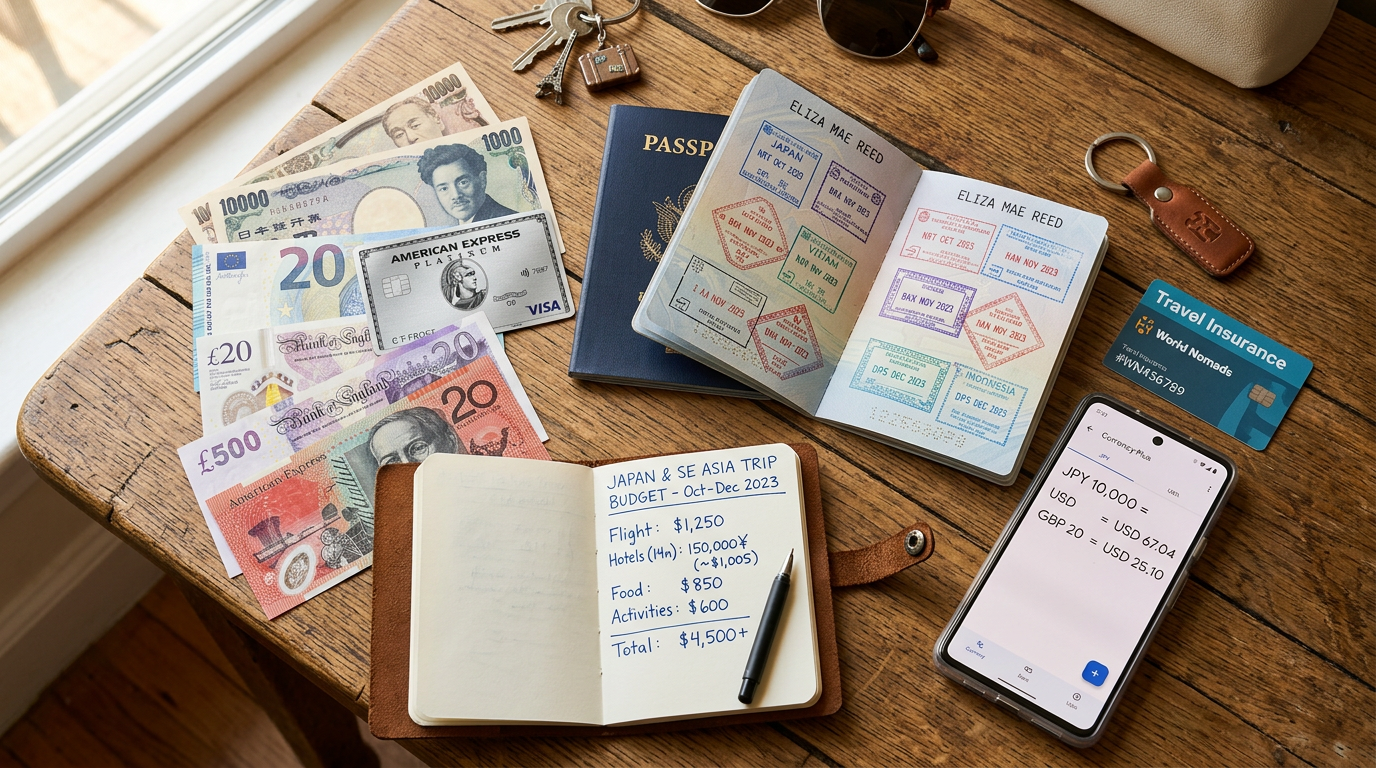
The Emergency Travel Fund: What It Needs to Cover
Your emergency travel fund should be sized to cover:
- Emergency return flights from your most distant planned destination to home, at peak unplanned pricing (budget $1,000–3,000 per person depending on destination)
- 3–5 days of emergency accommodation beyond your planned stay
- Emergency medical treatment (your travel insurance handles large medical costs, but small expenses — urgent care visits, prescriptions, minor procedures — may require out-of-pocket payment for reimbursement claim)
- Replacement of essential lost items (phone, passport replacement fees + temporary accommodation during processing)
For a solo international traveler, a minimum emergency fund of $2,000 in accessible cash or credit provides adequate coverage for most travel emergencies. For a family of four, $5,000–8,000 provides proportionate coverage.
Where to Keep Your Emergency Travel Fund
High-yield savings account (accessible within 1–2 business days): The fund needs to be real money in an accessible account — not a credit card limit you hope to be able to use. Keep the fund in a dedicated account (not your general savings) so its availability is always clear.
Credit card with adequate limit: A credit card with sufficient limit to cover emergency flights and accommodation provides day-of access that bank transfers cannot match. Pay it off from the emergency fund immediately upon return. Many travelers use credit card rewards for this purpose, which provides the additional benefit of earning points on emergency spending.
What Travel Insurance Covers (and What Requires the Emergency Fund)
Travel insurance covers most large emergency costs but has deductibles, claims processes, and coverage gaps that mean out-of-pocket expenses are almost always part of any travel emergency:
- Most policies have $50–250 deductibles before medical coverage kicks in
- Claims for trip interruption require documentation and take time to process — you need to pay first and be reimbursed later
- Some emergencies (personal family situations at home, voluntary travel changes) are not covered by standard policies
- The emergency fund covers costs during the gap between the emergency and the insurance reimbursement
Replies & Discussion
Sign in as a member to reply to this post