
Día de los Muertos in Oaxaca: A Deep Cultural Guide to Mexico's Most Sacred Celebration
Back to CategoryDía de los Muertos in Oaxaca: A Deep Cultural Guide to Mexico's Most Sacred Celebration
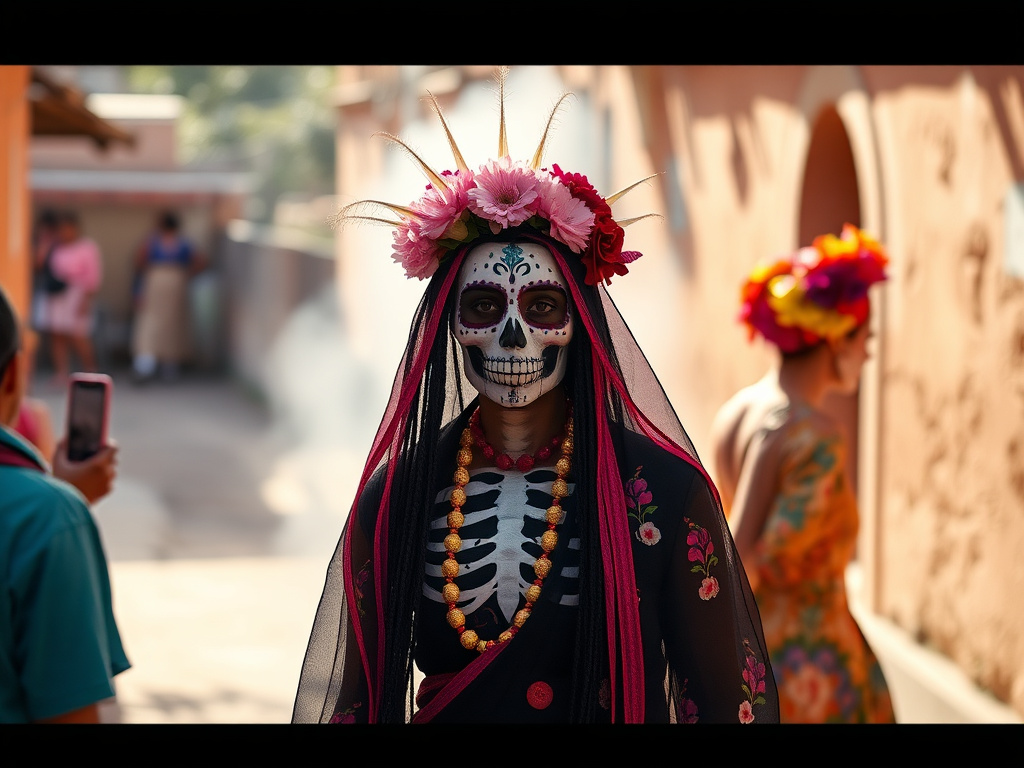
As a Black and Brown traveler, I've always been drawn to the rich cultural heritage of Mexico, particularly the vibrant state of Oaxaca. And what better time to experience it than during the iconic Día de los Muertos (Day of the Dead) celebration? This sacred holiday, honoring the lives of loved ones who've passed on, is a true reflection of Oaxaca's authentic traditions and community spirit. As I delved deeper into the festivities, I discovered a world of ofrendas altars, cemetery rituals, and traditional foods that left me in awe. In this article, I'll share my personal journey and expertise to guide you through the Día de los Muertos in Oaxaca, ensuring that you, too, can immerse yourself in this unforgettable Oaxaca cultural festival.
As a minority traveler, it's essential to approach this celebration with sensitivity and respect. Oaxaca traditions are deeply rooted in the indigenous Zapotec and Mixtec cultures, and it's crucial to recognize the historical significance of Día de los Muertos in Mexico. By doing so, you'll not only gain a deeper understanding of the local customs but also contribute to the preservation of this authentic Day of Dead experience. In the following sections, I'll provide you with practical tips, cultural insights, and personal anecdotes to ensure that your journey is both enriching and respectful. From navigating the cemetery ritual Oaxaca to creating your own ofrendas altars Mexico, I've got you covered. So, let's embark on this incredible adventure and explore the wonders of Día de los Muertos in Oaxaca together!
Introduction to Día de los Muertos
Understanding the History and Significance
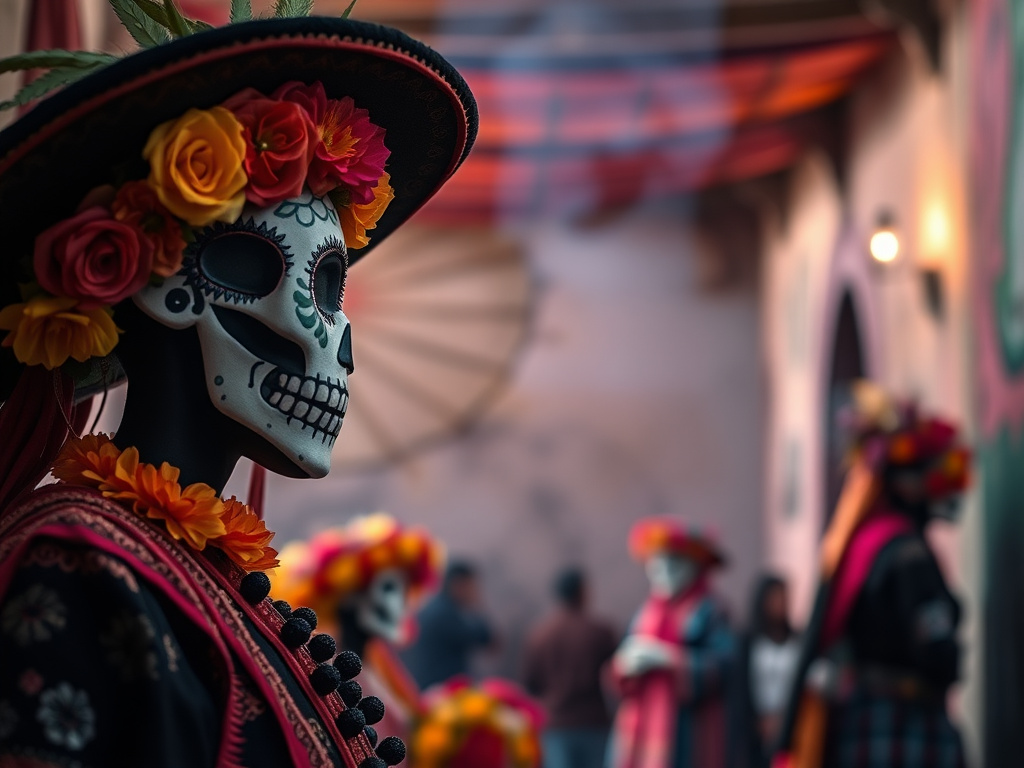
The Día de los Muertos celebration has its roots in the indigenous cultures of Mexico, dating back to the time of the Aztecs. This sacred holiday is a time for families to honor their loved ones who've passed on, believing that their spirits return to earth on this day. The festivities are a beautiful blend of Oaxaca traditions, authentic foods, and community events, making it an unforgettable experience for travelers.
Preparing for the Celebration
To truly immerse yourself in the Día de los Muertos celebration, it's essential to understand the local customs and traditions. This includes learning about the significance of ofrendas altars, cemetery rituals, and traditional foods. By doing so, you'll be able to appreciate the depth and richness of this Oaxaca cultural festival and connect with the local community on a deeper level.
Planning Your Trip to Oaxaca
Best Time to Visit
The Día de los Muertos celebration takes place on November 1st and 2nd, but it's recommended to arrive in Oaxaca a few days prior to immerse yourself in the pre-celebration activities. The weather is usually mild during this time, with average temperatures ranging from 75°F to 85°F (24°C to 30°C).
Accommodation and Transportation
Oaxaca City has a range of accommodation options, from budget-friendly guesthouses to luxury hotels. Prices start from around $20 USD per night for a shared room, while luxury hotels can cost upwards of $200 USD per night. Transportation is easily accessible, with taxis and shuttles available from the airport to the city center.
Experiencing the Día de los Muertos Celebration
Ofrendas Altars and Traditional Foods
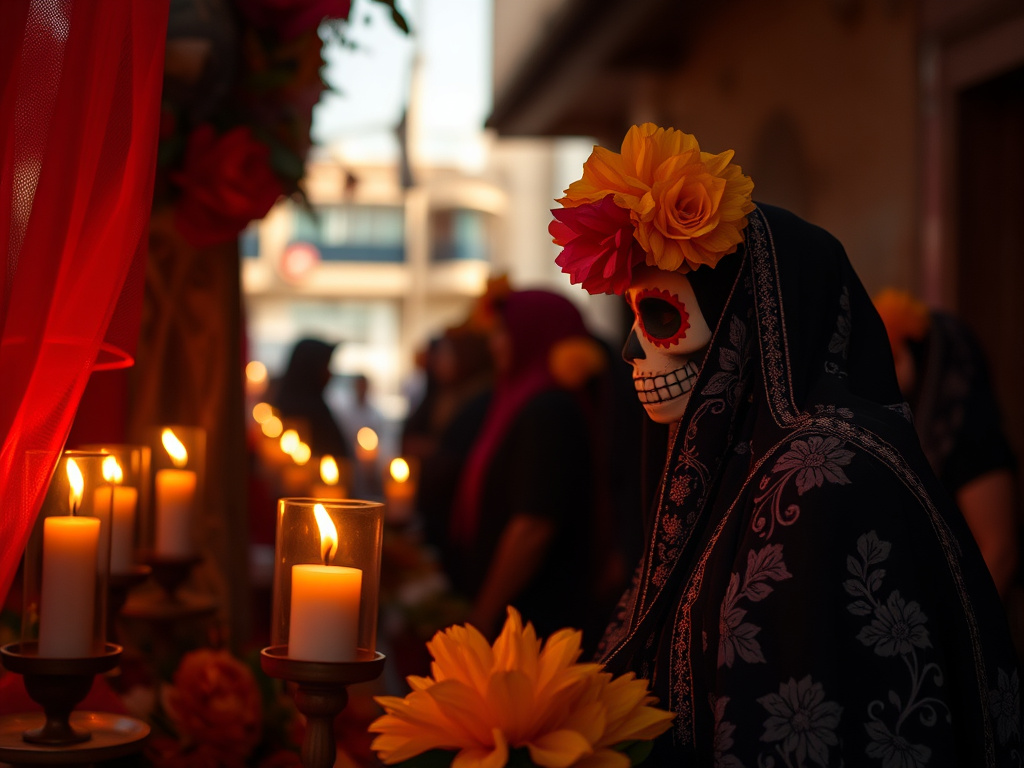
The ofrendas altars are an integral part of the Día de los Muertos celebration, honoring the lives of loved ones who've passed on. These altars are decorated with traditional foods, flowers, and photographs, creating a vibrant and meaningful display. Be sure to try some of the local delicacies, such as pan de muerto and mole negro, which are an essential part of the celebration.
Cemetery Rituals and Community Events
The cemetery rituals are a poignant and powerful experience, as families gather to honor their loved ones and decorate their graves with flowers and candles. The community events that follow are a testament to the warm and welcoming nature of the Oaxacan people, with music, dance, and food bringing everyone together.
Practical Tips for Minority Travelers
Safety and Cultural Sensitivity
As a minority traveler, it's essential to be mindful of your surroundings and respectful of the local customs. Oaxaca is generally a safe city, but it's always a good idea to take necessary precautions, such as avoiding traveling alone at night and being aware of your belongings. Additionally, be sure to dress modestly and remove your shoes when entering temples or homes, as a sign of respect.
Community and Representation
Oaxaca has a thriving Black and Brown community, with a rich cultural heritage that's evident in the city's vibrant arts and crafts scene. Be sure to explore the local markets and shops, which showcase the incredible talent and creativity of the Oaxacan people.
Cultural Nuances and Historical Significance
Understanding the Indigenous Roots
The Día de los Muertos celebration has its roots in the indigenous cultures of Mexico, with the Zapotec and Mixtec civilizations playing a significant role in shaping the traditions and customs. By understanding and respecting these roots, you'll be able to appreciate the depth and richness of this Oaxaca cultural festival.
Preserving the Authentic Experience
As a traveler, it's essential to be mindful of your impact on the local community and environment. By supporting local businesses and respecting the traditional customs, you'll be contributing to the preservation of this authentic Day of Dead experience.
Costs and Budgeting
Accommodation and Food Costs
The costs of accommodation and food in Oaxaca can vary greatly, depending on your budget and preferences. Here's a rough estimate of what you can expect to pay:
| Accommodation Type | Cost per Night (USD) |
|---|---|
| Hostel | $20-$50 |
| Guesthouse | $40-$80 |
| Hotel | $100-$200 |
Activity and Transportation Costs
The costs of activities and transportation in Oaxaca are relatively affordable, with most tours and workshops costing between $20-$50 USD per person. Transportation costs can range from $5-$10 USD for a taxi ride, depending on the distance.
LGBTQ+ Friendliness and Inclusivity
Community and Support
Oaxaca has a growing LGBTQ+ community, with several organizations and support groups available for travelers. The city's inclusive atmosphere and welcoming nature make it an ideal destination for LGBTQ+ travelers.
Safe Spaces and Events
There are several safe spaces and events available for LGBTQ+ travelers in Oaxaca, including bars, clubs, and cultural events. Be sure to research and connect with local organizations to find out more about these opportunities.
Conclusion and Practical Takeaways
Respectful Travel and Cultural Exchange
As a minority traveler, it's essential to approach the Día de los Muertos celebration with respect and sensitivity. By doing so, you'll be able to immerse yourself in the authentic traditions and community spirit of Oaxaca, while also contributing to the preservation of this traditional cultural festival.
Final Tips and Recommendations
Here are some final tips and recommendations for minority travelers visiting Oaxaca for the Día de los Muertos celebration:
- Research and understand the local customs and traditions
- Be respectful of the indigenous roots and historical significance of the celebration
- Support local businesses and communities
- Connect with other travelers and locals to build a sense of community
- Be mindful of your impact on the environment and local culture
Replies & Discussion
Sign in as a member to reply to this post