Cherry Blossom Season in Japan: More Than Instagram — Why Hanami Matters
As a Black solo traveler, I've always been drawn to experiences that allow me to connect with nature and culture in a meaningful way. When I decided to visit Japan during **Cherry Blossom Season**, I knew I was in for a treat. The vibrant pink blooms that fill the streets and parks of **Tokyo** and **Kyoto** are a sight to behold, but it's the cultural significance and community that comes with **hanami** (the Japanese tradition of cherry blossom viewing) that truly makes this experience special. For Black and Brown travelers, navigating foreign cultures can sometimes be daunting, but **hanami** is a celebration that welcomes everyone with open arms.
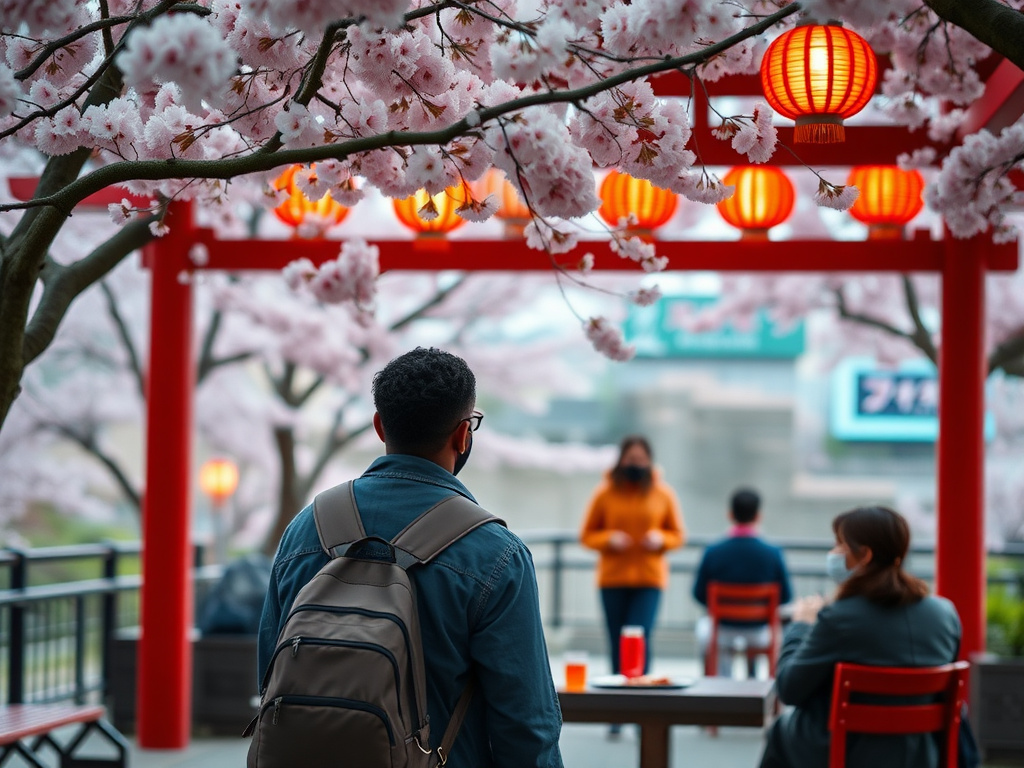
My journey began in **Tokyo**, where I immersed myself in the city's **spring travel** scene. From **Shinjuku Gyoen** to **Ueno Park**, the **sakura** (cherry blossoms) were in full bloom, and the atmosphere was electric. I joined locals and fellow travelers alike in **hanami** parties, feasting on **Japanese street food** and drinks, and marveling at the beauty of the blossoms. But what struck me most was the sense of community and belonging that came with participating in this **Japanese cultural event**. As a minority traveler, it's not always easy to find spaces where I feel seen and included, but **hanami** is a celebration that transcends borders and backgrounds. In this article, I'll share my experiences, tips, and insights on how to make the most of **Cherry Blossom Season in Japan** as a Black or Brown traveler.
Introduction to Hanami
What is Hanami?
Cultural Significance
Community and Inclusion
Hanami is a centuries-old tradition that celebrates the beauty of the **cherry blossoms**. It's a time for families, friends, and communities to come together and appreciate the fleeting nature of life. As a Black solo traveler, I found that **hanami** was a powerful way to connect with locals and other travelers, and to experience the unique cultural nuances of Japan.
Planning Your Trip
Best Time to Visit
Getting Around
Accommodation Options
When planning your trip to Japan for **Cherry Blossom Season**, it's essential to consider the best time to visit. The **sakura** typically bloom in late March to early April, with the peak bloom period usually occurring around **Tokyo** and **Kyoto**. Getting around Japan is relatively easy, with a comprehensive public transportation system and affordable options like the **Japan Rail Pass**. For accommodation, consider staying in **Tokyo** or **Kyoto**, and book your hotel or hostel in advance to avoid high prices.
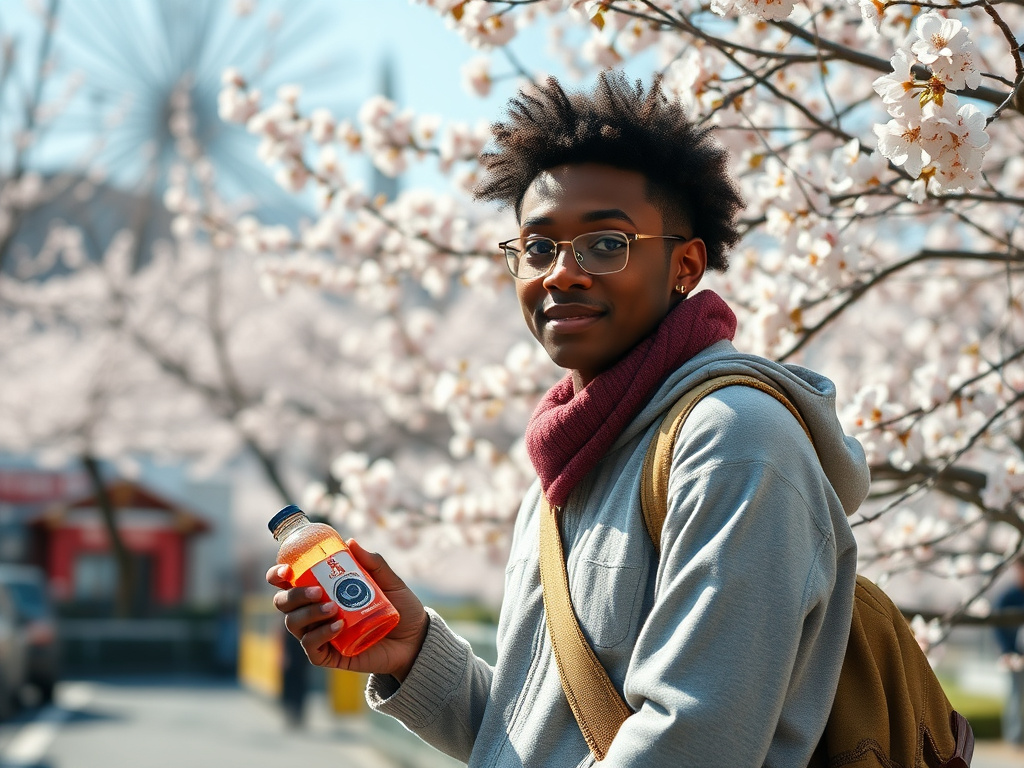
Celebrating hanami in Tokyo's Shinjuku Gyoen
Safety and Precautions
General Safety Tips
Specific Concerns for Minority Travelers
Emergency Services
As a minority traveler, safety is always a top concern. Japan is generally a very safe country, with low crime rates and a strong emphasis on community and respect. However, it's still essential to take precautions, especially in crowded areas like **Tokyo** and **Kyoto** during **Cherry Blossom Season**. Be aware of your surroundings, keep an eye on your belongings, and avoid traveling alone at night. For specific concerns like **hair care** as a Black traveler, consider packing a portable hair dryer and styling products, and research **Black-owned hair salons** in **Tokyo** and **Kyoto**.
Japanese Cultural Events
Traditional Festivals
Modern Celebrations
Community Engagement
**Hanami** is just one of many **Japanese cultural events** that take place during **Cherry Blossom Season**. From traditional festivals like **Sanja Matsuri** to modern celebrations like **Tokyo's Cherry Blossom Festival**, there's something for everyone. Engage with the local community by attending these events, trying traditional foods and drinks, and participating in **hanami** parties.
LGBTQ+ Friendliness
General Attitudes
LGBTQ+-Friendly Destinations
Community Resources
As an **LGBTQ+ traveler of color**, it's essential to research the local attitude towards LGBTQ+ individuals. Japan is generally a welcoming country, with a growing **LGBTQ+ community** in **Tokyo** and **Kyoto**. Look for **LGBTQ+-friendly destinations** like **Shinjuku's Ni-chome** district, and connect with local **LGBTQ+ community resources** for support and guidance.
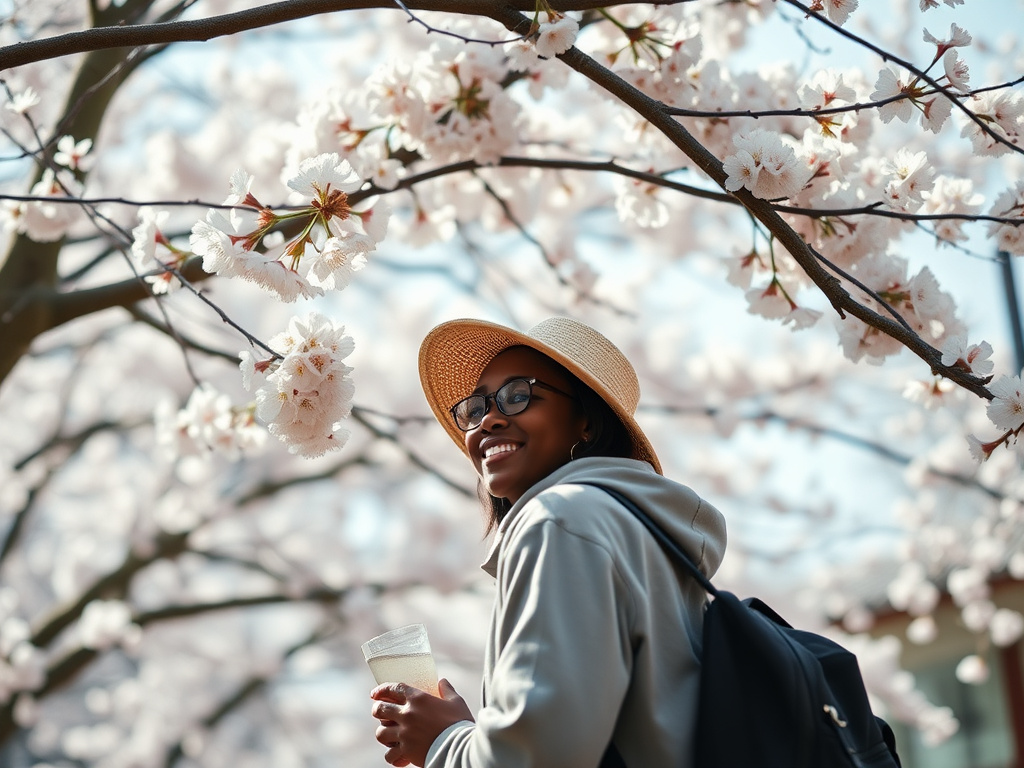
Celebrating hanami in Kyoto's Arashiyama
Costs and Budgeting
Accommodation Costs
Food and Drink Prices
Transportation Costs
Budgeting for your trip to Japan during **Cherry Blossom Season** is crucial. Accommodation costs can range from $20-50 USD per night for a hostel to $100-200 USD per night for a hotel. Food and drink prices vary, but expect to pay around $10-20 USD for a meal and $5-10 USD for a drink. Transportation costs are relatively affordable, with a single ride on the subway costing around $2-3 USD.
Category
Cost (USD)
Accommodation (hostel)
$20-50
Food (meal)
$10-20
Transportation (subway ride)
$2-3
Community and Representation
Black and Brown Travelers
LGBTQ+ Travelers of Color
Disability Access
As a Black solo traveler, I was heartened to see a growing **Black and Brown travel community** in Japan. From **Black-owned businesses** to **LGBTQ+ community resources**, there are many ways to connect with like-minded travelers and locals. For **LGBTQ+ travelers of color**, consider reaching out to local **LGBTQ+ organizations** for support and guidance. Japan is also making strides in **disability access**, with many **Tokyo** and **Kyoto** attractions and public transportation systems becoming more accessible.
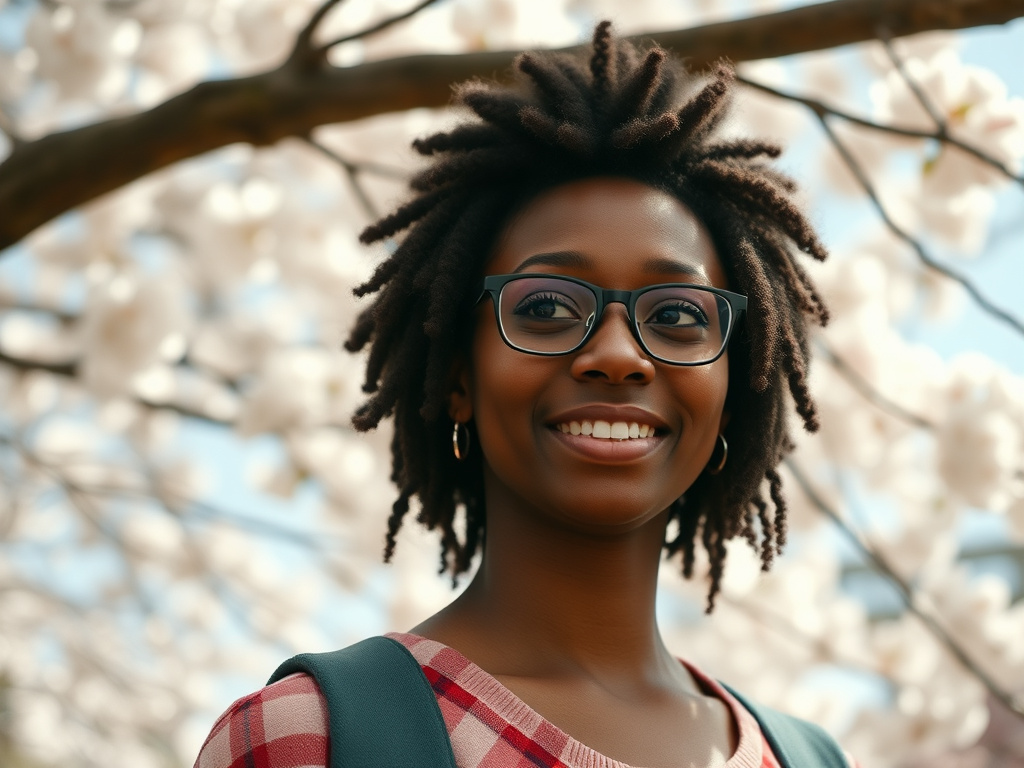
Celebrating hanami in Tokyo's Ueno Park
Reception by Locals
General Attitudes
Specific Experiences
Cultural Nuances
As a minority traveler, it's always a concern how locals will receive me. In Japan, I found that the reception was overwhelmingly positive. Locals were friendly, curious, and eager to engage with me, especially during **hanami** celebrations. Be mindful of **cultural nuances** like bowing, gift-giving, and table manners, and try to learn a few basic **Japanese phrases** to show respect and appreciation.
Visa Notes and Requirements
General Requirements
Specific Requirements for Minority Travelers
Application Process
Depending on your nationality, you may need a visa to enter Japan. Check the official government website for **visa requirements** and application processes. As a minority traveler, it's essential to research any specific requirements or restrictions that may apply to you.
Applying for a Japanese visa
Conclusion and Practical Takeaways
Summary of Key Points
Final Tips and Recommendations
Future Travel Plans
In conclusion, **Cherry Blossom Season in Japan** is a once-in-a-lifetime experience that offers a unique blend of natural beauty, cultural significance, and community celebration. As a Black solo traveler, I found that **hanami** was a powerful way to connect with locals and other travelers, and to experience the rich cultural heritage of Japan. Remember to research **safety precautions**, **LGBTQ+ friendliness**, and **community resources** before your trip, and don't hesitate to reach out to local organizations for support and guidance.
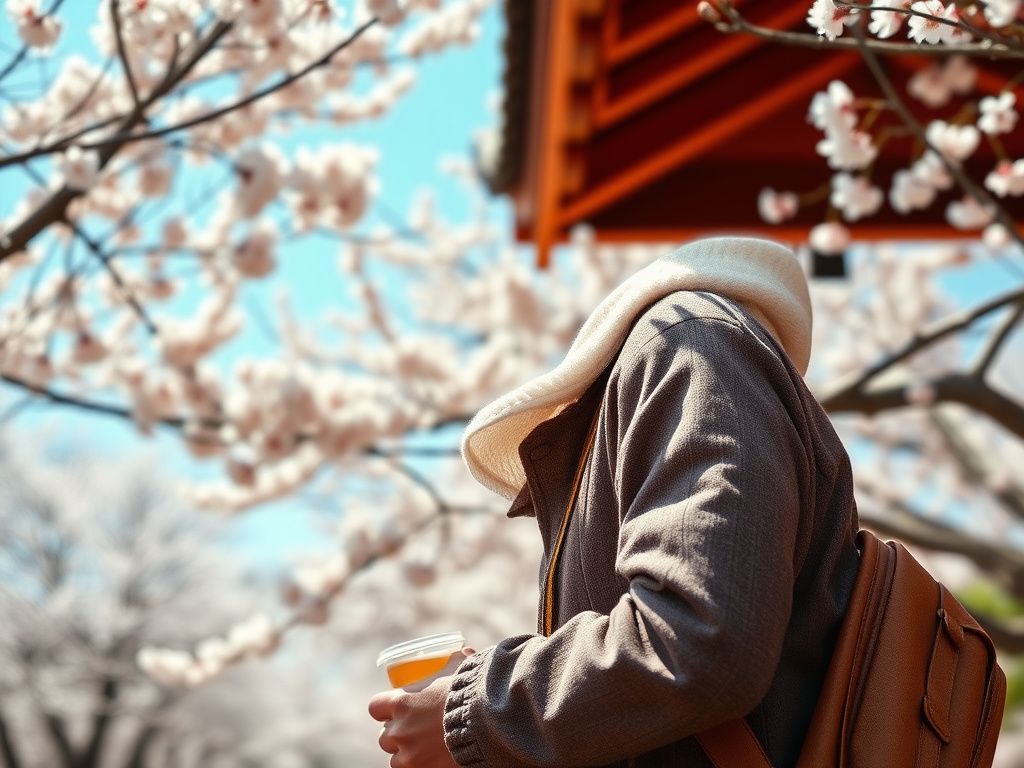
Reflecting on my hanami experience in Kyoto

Replies & Discussion
Sign in as a member to reply to this post