
Carnaval in Rio de Janeiro: How to Experience Brazil's Greatest Festival Without the Tourist Traps
Back to CategoryCarnaval in Rio de Janeiro: How to Experience Brazil's Greatest Festival Without the Tourist Traps
As a Black traveler, I've always been drawn to the vibrant energy of Carnaval in Rio de Janeiro. The rhythms of samba music, the dazzling costumes, and the infectious joy of the crowds all call to me. But, like many minority travelers, I've also had to navigate the challenges of traveling while Black in a foreign country. From finding **hair care** services that cater to my needs to dealing with **safety concerns** as a solo traveler, it can be daunting to plan a trip to Rio during Carnaval. However, with the right guidance and insider knowledge, it's possible to experience the magic of Carnaval without getting caught up in the tourist traps.
In this article, I'll share my expertise as a seasoned traveler and provide a comprehensive **Rio Carnaval guide** tailored to the needs of Black and Brown community travelers. From the best **samba schools** to attend to the safest **blocos** to join, I'll cover everything you need to know to make the most of your Carnaval experience in Rio. Whether you're a seasoned traveler or a first-timer, this guide will help you navigate the city like a local and connect with the vibrant culture of Rio. So, let's dive in and explore the wonders of Carnaval in Rio de Janeiro!
Introduction to Carnaval in Rio
What is Carnaval?
Carnaval is a five-day festival that takes place before Lent, typically in February or March. It's a time of music, dance, and revelry, with parades, street parties, and other events that showcase the city's rich cultural heritage.History of Carnaval in Rio
Carnaval in Rio has a long history dating back to the 18th century. It was initially celebrated by the city's elite, but over time, it evolved into a popular festival that showcases the city's African, European, and indigenous influences.Planning Your Trip to Rio
When to Go
The best time to attend Carnaval in Rio is during the peak days of the festival, which usually take place on Friday to Tuesday before Ash Wednesday. However, if you're looking to avoid the crowds, consider attending one of the many **pre-Carnaval** events that take place in the weeks leading up to the festival.Where to Stay
When it comes to accommodations, consider staying in a neighborhood that's close to the **Sambadrome**, such as Copacabana or Ipanema. These areas offer a range of hotels, hostels, and vacation rentals that cater to different budgets and preferences.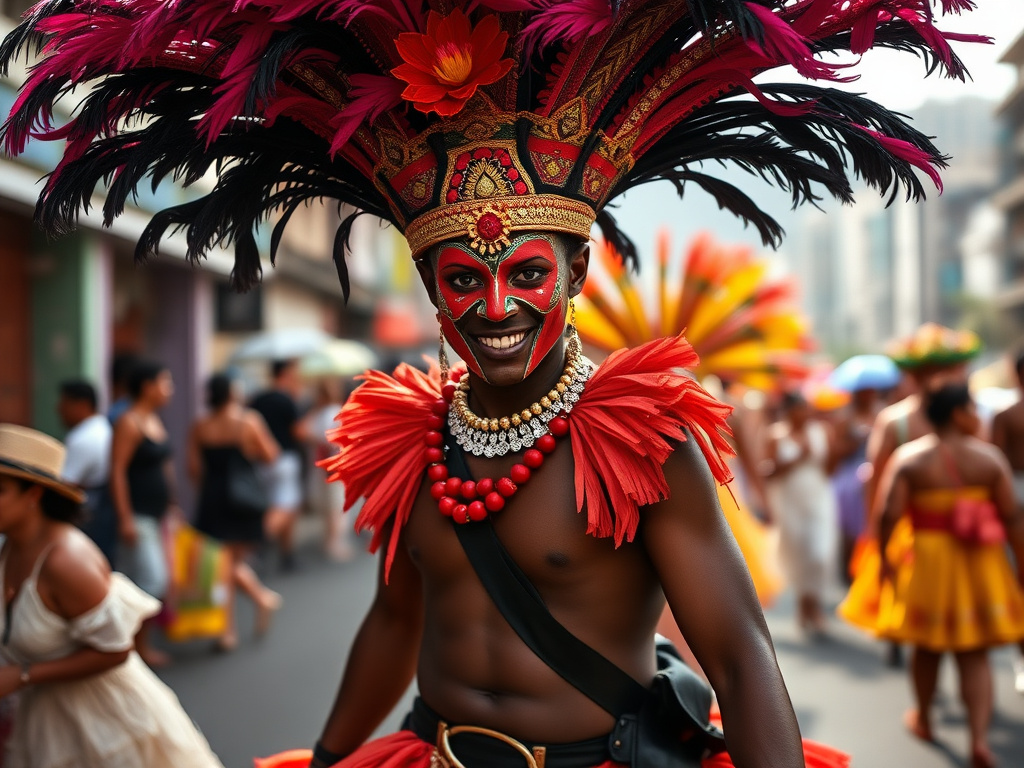
Understanding the Samba Parade
What is the Samba Parade?
The **samba parade** is the highlight of Carnaval in Rio, with thousands of performers, musicians, and dancers taking to the streets to showcase their skills. The parade takes place at the **Sambadrome**, a 700-meter-long avenue that's specifically designed for the event.Best Samba Schools to Attend
Some of the best **samba schools** to attend include Mangueira, Salgueiro, and Beija-Flor. These schools offer a range of performances, from traditional samba to modern fusion styles.Safety in Rio During Carnaval
General Safety Tips
As a minority traveler, it's essential to take extra precautions to stay safe in Rio during Carnaval. Avoid carrying large amounts of cash, keep your valuables secure, and be aware of your surroundings at all times. Additionally, consider staying in well-lit and populated areas, especially at night.Rio Safety Carnival Tips
Some specific safety tips for Carnaval include avoiding **pickpocketing** by keeping your belongings close and being mindful of your drinks at all times. It's also a good idea to stay with a group of friends and avoid walking alone in isolated areas.Exploring the Blocos
What are Blocos?
**Blocos** are small, informal street parties that take place throughout the city during Carnaval. They're a great way to experience the local culture and connect with the community.Best Blocos to Attend
Some of the best **blocos** to attend include Bloco do Carmo, Bloco do Ipánema, and Bloco do Santa Teresa. These blocos offer a range of music, dance, and food, and are a great way to experience the vibrant energy of Carnaval.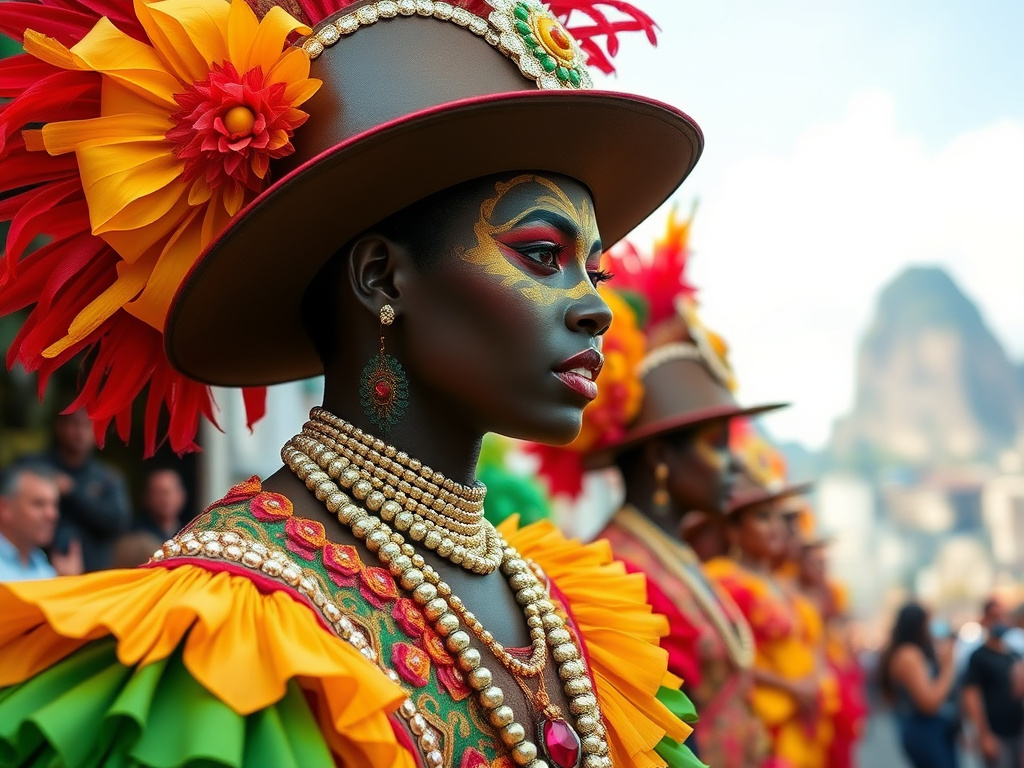
Community and Representation in Rio
LGBTQ+ Friendliness
Rio is a relatively **LGBTQ+ friendly** city, with a thriving gay scene and a range of events and parties that cater to the community. During Carnaval, there are several **LGBTQ+ blocos** that take place, offering a safe and welcoming space for LGBTQ+ travelers.Black and Brown Community
As a Black or Brown traveler, you'll find that Rio has a rich and vibrant Afro-Brazilian culture. From the **samba schools** to the **blocos**, there are many opportunities to connect with the local community and experience the city's African heritage.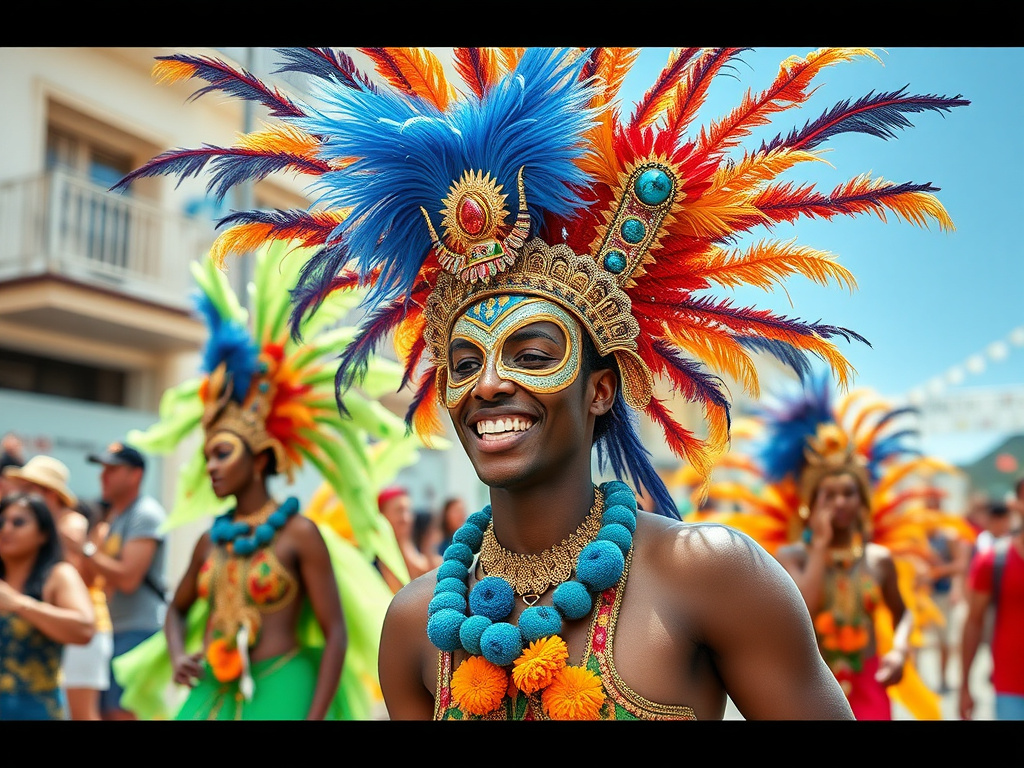
Practical Information
Visa Requirements
As a US citizen, you'll need to obtain a **visa** to enter Brazil. The cost of a visa is around $160, and the processing time can take several weeks.Costs and Budgeting
The cost of attending Carnaval in Rio can vary depending on your accommodation, food, and transportation choices. On average, you can expect to pay around $1,500 per person for a 5-day trip, including flights, accommodation, and food.| Category | Cost (USD) | Rating (1-5) |
|---|---|---|
| Accommodation (5 nights) | 800 | 4 |
| Flights (round-trip) | 500 | 3 |
| Food and drink (5 days) | 200 | 5 |
| Transportation (5 days) | 100 | 4 |
| Total | 1,600 | 4 |
Cultural Nuances and Etiquette
Respecting Local Customs
As a traveler, it's essential to respect local customs and traditions. During Carnaval, be mindful of the **samba schools**! and **blocos** you attend, and avoid taking photos or videos that may be considered intrusive or disrespectful.Engaging with the Community
To get the most out of your Carnaval experience, engage with the local community by attending **blocos** and **samba schools**, and by trying local food and drink. You can also consider taking a **samba lesson** or attending a **Carnaval workshop** to learn more about the culture and history of the festival.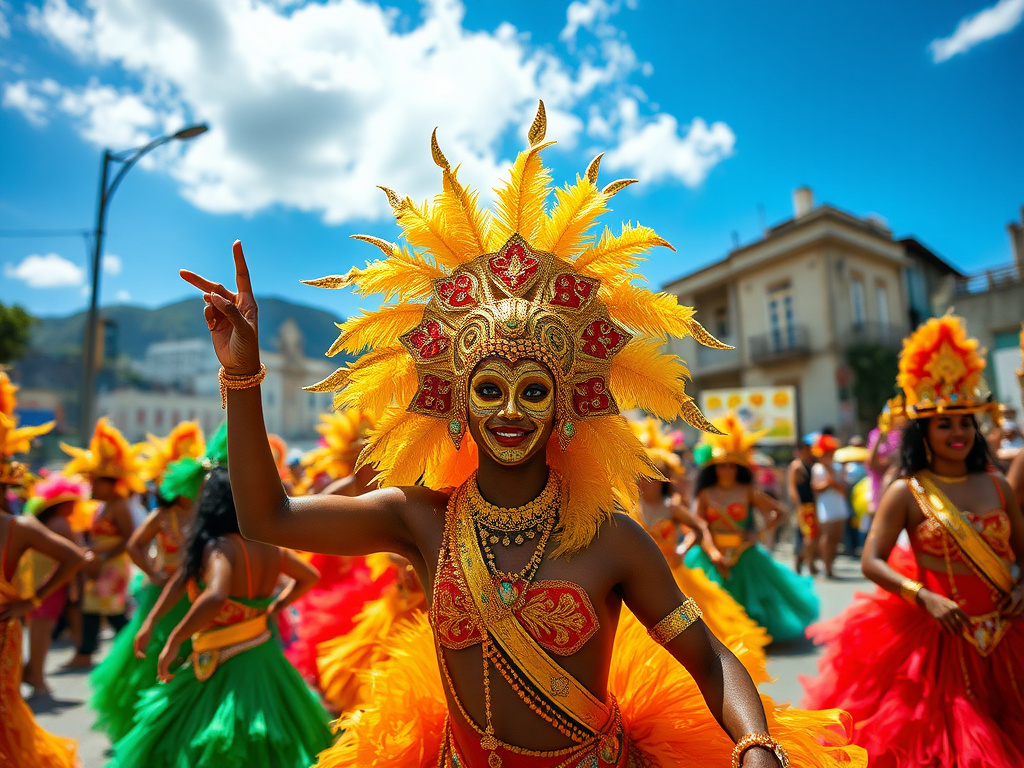
Conclusion and Final Tips
Final Tips for Minority Travelers
As a minority traveler, it's essential to be aware of your surroundings and take extra precautions to stay safe. Additionally, consider staying in touch with your community back home and sharing your experiences with others to help promote **cultural understanding** and **exchange**.Best Carnaval Brazil Tips
Some final tips for attending Carnaval in Rio include staying hydrated, wearing comfortable shoes, and being prepared for large crowds and long lines. With the right mindset and preparation, you'll be able to navigate the festival like a pro and have an unforgettable experience.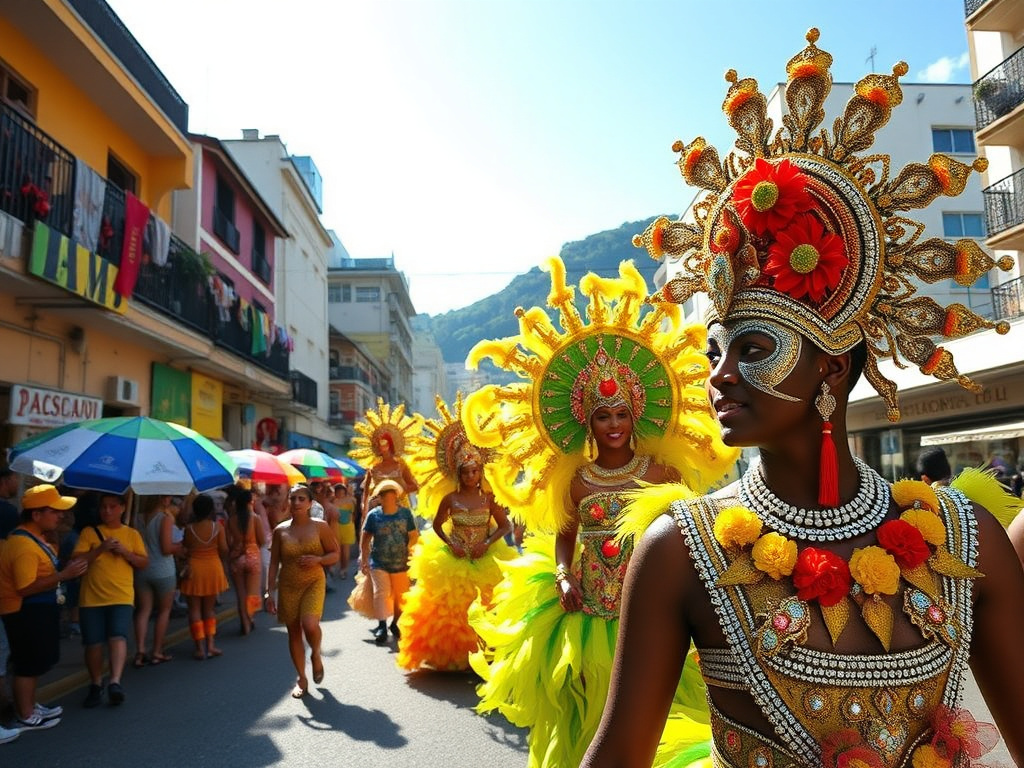
Replies & Discussion
Sign in as a member to reply to this post