
Arabic for Travelers: The 40 Phrases That Changed Every Interaction I Had in Morocco and Jordan
Back to CategoryArabic for Travelers: The 40 Phrases That Changed Every Interaction I Had in Morocco and Jordan
As a traveler of color, I've often found myself navigating unfamiliar territories, not just physically, but also linguistically. My experiences in Morocco and Jordan were no exception. Before embarking on my journey, I knew that learning **Arabic for travelers** would be essential to fully immersing myself in the local culture. I spent hours poring over language guides, determined to **learn Arabic** phrases that would help me connect with the people I met along the way. And connect I did – in ways that I never could have imagined. From the bustling souks of Marrakech to the tranquil landscapes of Wadi Rum, speaking **Arabic phrases** changed every interaction I had, and I want to share those phrases with you.
As a **traveler of color**, I've grown accustomed to being an outsider, but in Morocco and Jordan, I found that speaking even basic **Arabic for travelers** helped to break down barriers and build bridges. Locals smiled, nodded, and even invited me to share meals with them when I used **Jordan travel phrases** like "Marhaba" (hello) and "Shukraan" (thank you). In Morocco, **Morocco travel language** phrases like "As-salamu alaykum" (peace be upon you) and "Wa alaykum as-salam" (and upon you be peace) earned me warm greetings and respectful nods. These interactions not only made my travels more enjoyable but also deepened my understanding of the cultures I was visiting. In this article, I'll share the **40 phrases** that transformed my experiences in Morocco and Jordan, and provide tips on how to **learn Arabic** and make the most of your travels in these incredible countries.
Introduction to Arabic for Travelers
Why Learn Arabic?
Learning **Arabic for travelers** is an investment in your travel experience. Not only will it help you navigate everyday situations, but it will also show respect for the local culture and people. In Morocco and Jordan, Arabic is the official language, and speaking it will earn you nods of approval and smiles from locals.Arabic Language Basics
Before diving into the phrases, it's essential to understand the basics of the Arabic language. Arabic is written from right to left, and its alphabet consists of 28 letters. As a traveler, you don't need to be proficient in reading and writing Arabic, but knowing the basics will help you recognize signs and menus.Arabic Dialects
Arabic has several dialects, and the ones spoken in Morocco and Jordan are distinct. Moroccan Arabic, also known as Darija, is spoken in Morocco, while Jordanian Arabic is spoken in Jordan. While they share similarities, there are differences in pronunciation and vocabulary.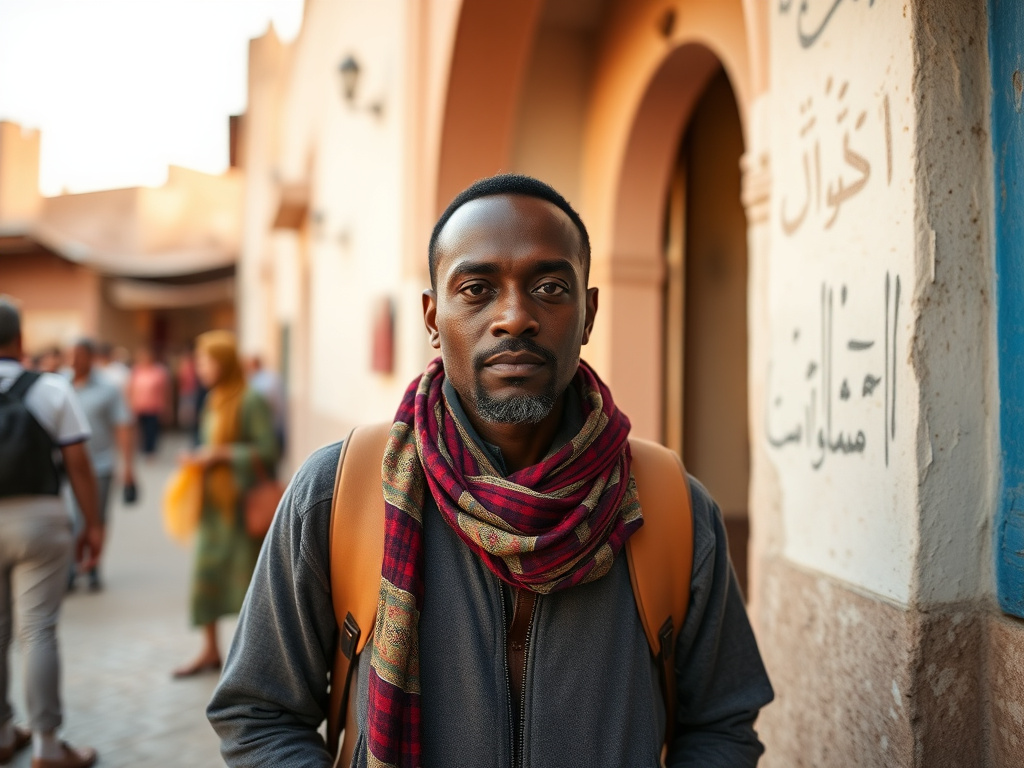
Phrases for Greetings and Introductions
Basic Greetings
When interacting with locals, it's essential to start with basic greetings. Here are a few **Arabic phrases** to get you started:- Marhaba (hello)
- As-salamu alaykum (peace be upon you)
- Wa alaykum as-salam (and upon you be peace)
Introducing Yourself
When introducing yourself, use the phrase "Ismy" (my name is) followed by your name. For example, "Ismy Ahmed" (my name is Ahmed).Asking for Help
If you need help or directions, use the phrase "Min fadlak" (please) or "Afwan" (excuse me). For example, "Min fadlak, where is the nearest restroom?" (please, where is the nearest restroom?)Phrases for Food and Drink
Ordering Food
When ordering food, use the phrase "Ana udhun" (I want) followed by the name of the dish. For example, "Ana udhun shawarma" (I want shawarma).Asking for Recommendations
If you want to ask for recommendations, use the phrase "Ma ra'yak?" (what do you think?). For example, "Ma ra'yak, what is the best dish to try here?" (what do you think, what is the best dish to try here?)Expressing Gratitude
When expressing gratitude, use the phrase "Shukraan" (thank you). For example, "Shukraan, this food is delicious" (thank you, this food is delicious).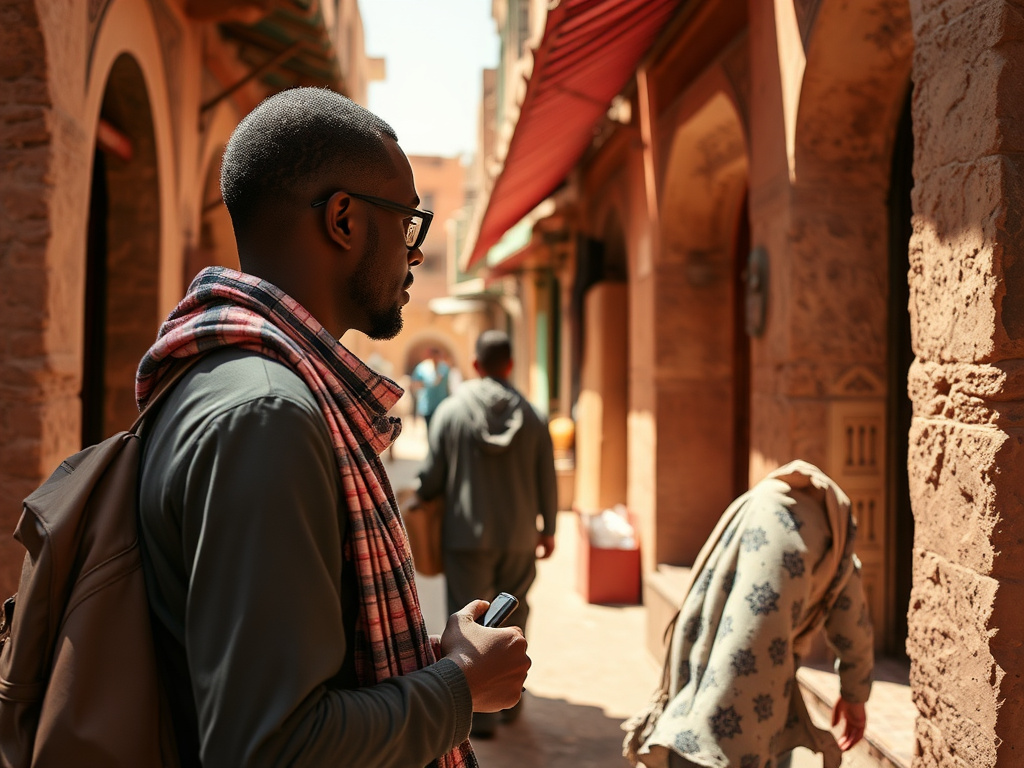
Phrases for Shopping and Bargaining
Asking Prices
When shopping, use the phrase "Kam huwa thaman?" (how much is it?) to ask prices.Bargaining
When bargaining, use the phrase "Rah athaman" (lower the price) to negotiate. For example, "Rah athaman, I'll give you 10 dollars for this" (lower the price, I'll give you 10 dollars for this).Accepting Prices
When accepting prices, use the phrase "Mabruk" (okay) or "Tayyib" (good). For example, "Mabruk, I'll take it" (okay, I'll take it).Phrases for Directions and Transportation
Asking for Directions
When asking for directions, use the phrase "Wayn al..." (where is the...) followed by the name of the place. For example, "Wayn al-masjid?" (where is the mosque?).Using Transportation
When using transportation, use the phrase "Li ayn turid an ta'khudhni?" (where do you want to take me?) to ask the driver where you're going.Paying Fares
When paying fares, use the phrase "Kam huwa al-kiraya?" (how much is the fare?) to ask the price.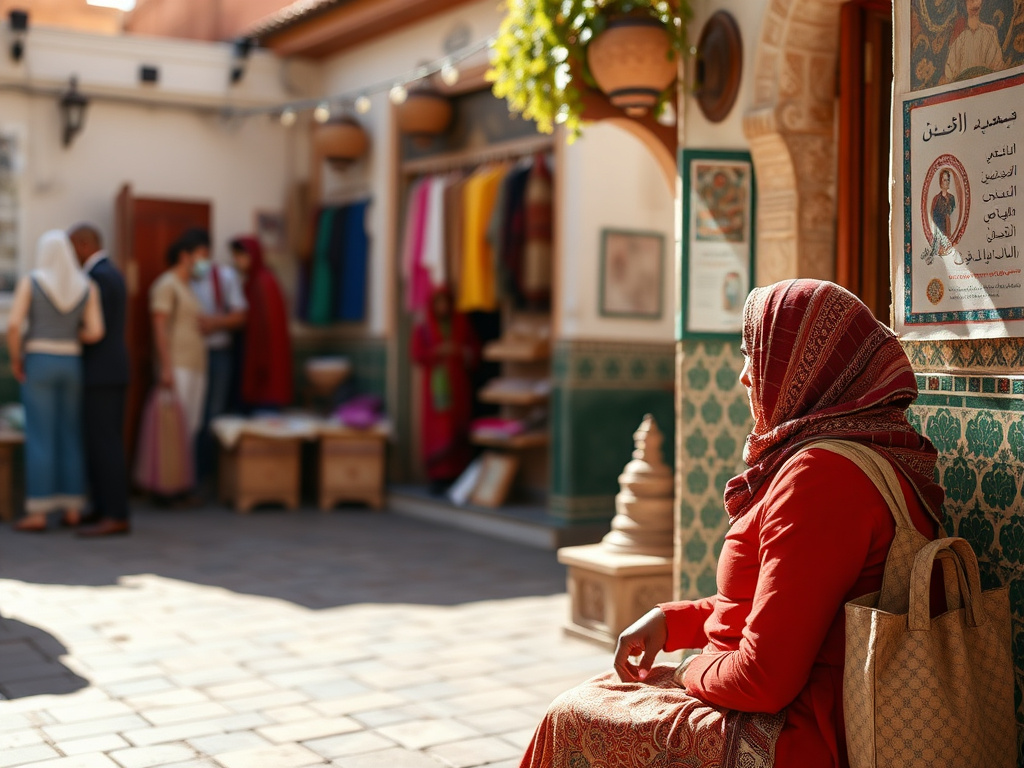
Phrases for Accommodation and Services
Booking a Room
When booking a room, use the phrase "Urid ghurfa" (I want a room) followed by the type of room you want. For example, "Urid ghurfa li-shakhis wahid" (I want a single room).Asking for Services
When asking for services, use the phrase "Hal yumkinuk an..." (can you...) followed by the service you need. For example, "Hal yumkinuk an tas'iduni bi-internet?" (can you help me with the internet?).Expressing Satisfaction
When expressing satisfaction, use the phrase "Al-hamdulillah" (thank God) or "Mabruk" (okay). For example, "Al-hamdulillah, this room is great" (thank God, this room is great).Comparison of Language Guides and Courses
Language Guides
There are several language guides available for **Arabic for travelers**, including phrasebooks and audio guides. Here is a comparison of some popular options:| Guide | Cost (USD) | Rating |
|---|---|---|
| Lonely Planet Arabic Phrasebook | 10 | 4.5/5 |
| ArabicPod101 | 20 | 4.8/5 |
| Rosetta Stone Arabic | 50 | 4.9/5 |
Language Courses
There are also several language courses available for **learn Arabic**, including online courses and language schools. Here is a comparison of some popular options:- Arabic language schools in Morocco and Jordan: $200-$500 per week
- Online courses like ArabicPod101 and Rosetta Stone: $20-$50 per month
Conclusion
When it comes to **Arabic phrases travel**, there are many options available. Whether you choose a language guide or a language course, the key is to practice consistently and immerse yourself in the language.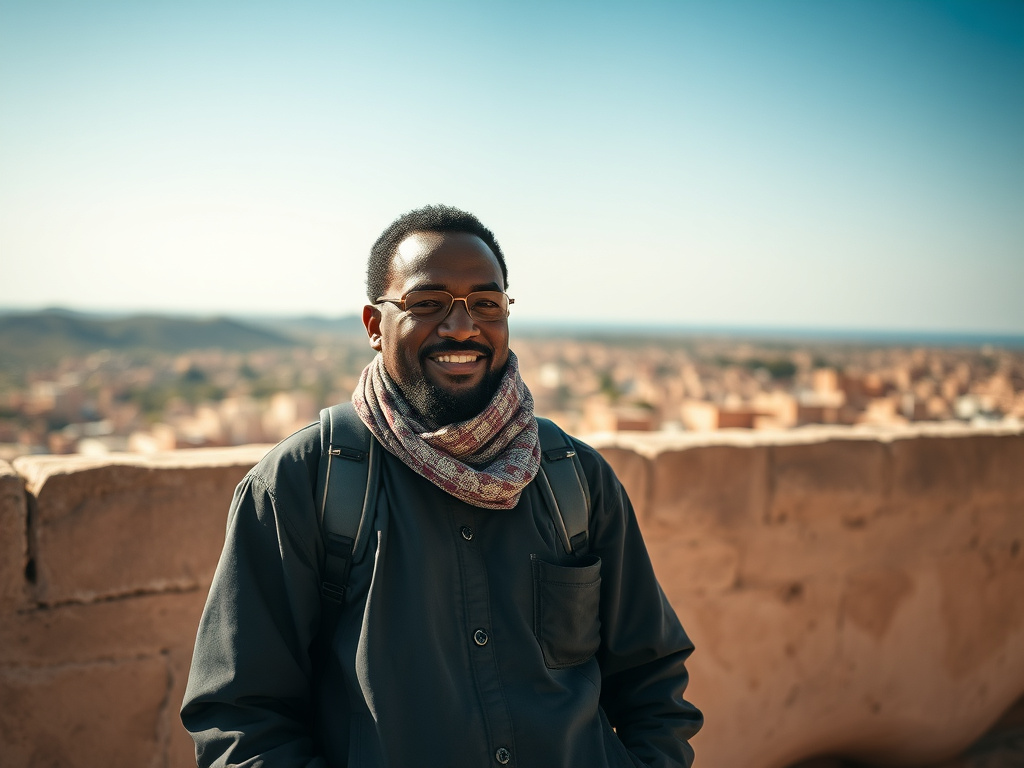
Additional Tips for Travelers of Color
Cultural Nuances
When interacting with locals, it's essential to be mindful of cultural nuances. For example, in Morocco and Jordan, it's customary to use your right hand when eating or giving/receiving something.Safety Precautions
As a **traveler of color**, it's essential to take safety precautions seriously. Here are some tips:- Research your destination thoroughly
- Stay informed about local customs and laws
- Be aware of your surroundings and keep an eye on your belongings
Community and Representation
When traveling, it's essential to find community and representation. Look for local groups or organizations that cater to **travelers of color**, and connect with other travelers who share similar experiences.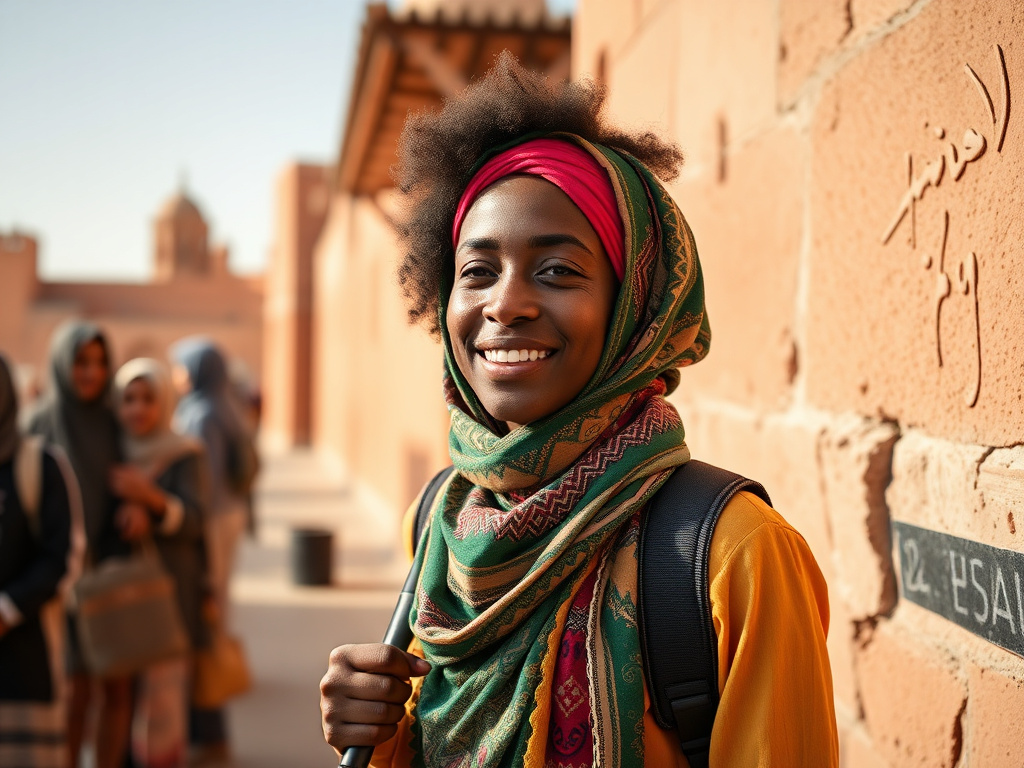
Conclusion and Final Thoughts
Practical Takeaways
Learning **Arabic for travelers** is a valuable investment in your travel experience. Here are some practical takeaways:- Start with basic greetings and introductions
- Practice consistently and immerse yourself in the language
- Be mindful of cultural nuances and safety precautions
Replies & Discussion
Sign in as a member to reply to this post