
Arabic for Travelers: Essential Expressions for the Middle East and North Africa
Back to CategoryArabic for Travelers: Essential Expressions for the Middle East and North Africa
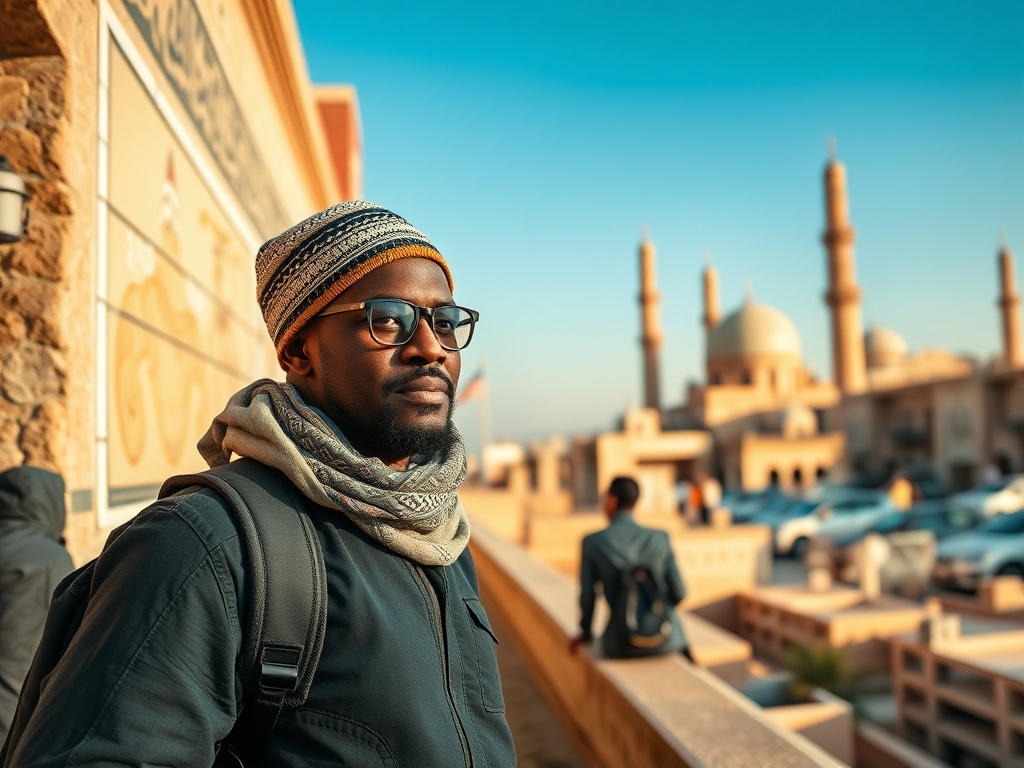
As a traveler of color, I've often found myself navigating unfamiliar territories, not just physically, but also linguistically. Learning the local language has been a crucial part of my journey, allowing me to connect with the people and cultures I encounter. When I decided to travel to the Middle East and North Africa, I knew that learning Arabic would be essential. With over 300 million speakers of Arabic worldwide, it's a language that can open doors to a rich and diverse world of experiences. In this article, I'll share my journey of learning Arabic for travelers, highlighting the most useful expressions, phrases, and cultural nuances to keep in mind.
From the bustling streets of Cairo to the vibrant souks of Marrakech, Arabic is the thread that weaves together the fabric of daily life in the Middle East and North Africa. As a traveler of color, I've often felt a sense of belonging and connection when I've been able to communicate in the local language. Whether it's exchanging Arabic greetings with a shopkeeper or ordering food at a street stall, speaking Arabic has allowed me to transcend the typical tourist experience and connect with the people and places I've encountered. In this article, I'll share my insights and tips on how to learn Arabic for travelers, with a focus on the most essential expressions, phrases, and cultural nuances to keep in mind.
Introduction to Arabic
Why Learn Arabic?
Learning Arabic can seem daunting, but it's a rewarding experience that can enrich your travels and connections with the people you meet. With Arabic travel phrases, you can navigate everyday situations, from asking for directions to ordering food. Whether you're traveling to Egypt, Morocco, or Dubai, Arabic is an essential language to learn.Arabic Language Basics
Arabic is a Semitic language with its own unique script and grammar. There are several dialects of Arabic, including Modern Standard Arabic, Egyptian Arabic, and Darija (spoken in Morocco). As a traveler, you'll likely encounter a mix of these dialects, but focusing on Modern Standard Arabic will provide a solid foundation for communication.Resources for Learning Arabic
There are many resources available for learning Arabic, including language courses, apps, and phrasebooks. Some popular options include ArabicPod101, Duolingo, and Lonely Planet's Arabic Phrasebook. You can also practice your Arabic skills with online language exchange partners or tutors.
Arabic Travel Phrases
Basic Phrases
Here are some essential Arabic travel phrases to get you started:- Marhaba (hello)
- Shukraan (thank you)
- Ma'a as-salaama (goodbye)
- Na'am (yes)
- La'a (no)
Food and Drink
When it comes to food and drink, Arabic has a rich vocabulary. Here are some useful phrases:- Maa'i (water)
- Shay (tea)
- Qahwa (coffee)
- Khubz (bread)
- Shawarma (a popular street food)
Directions and Transportation
Getting around can be challenging, but with these phrases, you'll be better equipped to navigate:- Wain? (where?)
- Kayf al-wusul ila... (how do I get to...)
- Taxi (taxi)
- Bas (bus)
- Qitar (train)
Country-Specific Arabic
Egyptian Arabic
In Egypt, you'll encounter a unique dialect of Arabic. Here are some essential phrases:- Al-salaamu 'alaykum (peace be upon you)
- Wa 'alaykum al-salaam (and upon you be peace)
- Shukraan, mish fahem (thank you, I don't understand)
Moroccan Darija
In Morocco, Darija is the predominant dialect. Here are some useful phrases:- As-salaam 'alaykum (peace be upon you)
- Wa 'alaykum al-salaam (and upon you be peace)
- Chokran, la afham (thank you, I don't understand)
Arabic Language Courses
Online Courses
There are many online courses available for learning Arabic. Here are some popular options:- ArabicPod101
- Duolingo
- Rosetta Stone
Language Schools
If you prefer a more immersive experience, consider attending a language school in the Middle East or North Africa. Here are some popular options:- The Arabic Language Institute in Cairo
- The Language Center in Marrakech
- The Dubai Language Center
Cost Comparison
Here's a comparison of the costs of different Arabic language courses:| Course | Cost (USD) | Duration |
|---|---|---|
| ArabicPod101 | 10-20 per month | Self-paced |
| Duolingo | Free | Self-paced |
| Rosetta Stone | 20-30 per month | Self-paced |
Cultural Nuances
Arabic Greetings
In Arabic culture, greetings are an essential part of daily interaction. Here are some tips:- Use the formal greeting As-salaam 'alaykum (peace be upon you) when meeting someone for the first time
- Use the informal greeting Marhaba (hello) with friends and acquaintances
Respect and Hospitality
Arabic culture values respect and hospitality. Here are some tips:- Remove your shoes when entering a mosque or someone's home
- Use your right hand when eating or giving/receiving something
- Decline offers of food or drink with a polite Shukraan, la'a (thank you, no)
Safety and Precautions
General Safety Tips
As a traveler of color, it's essential to take necessary precautions to stay safe. Here are some tips:- Research your destination thoroughly and stay informed about local conditions
- Be mindful of your surroundings and avoid walking alone in isolated areas
- Keep your valuables secure and be cautious of pickpocketing or scams
Language-Related Safety Tips
Language can play a significant role in staying safe. Here are some tips:- Learn key phrases like Na'am (yes) and La'a (no) to communicate clearly
- Avoid using gestures or body language that may be misinterpreted
- Be prepared to explain your travel plans and itinerary to authorities or locals
Conclusion
Final Tips
Learning Arabic for travelers requires dedication and practice, but it's a rewarding experience that can enrich your travels and connections with the people you meet. Here are some final tips:- Practice your Arabic skills regularly, even if it's just for a few minutes a day
- Immerse yourself in the language by watching Arabic movies, listening to Arabic music, or speaking with native speakers
- Be patient and don't be afraid to make mistakes – language learning is a process
Practical Takeaways
As a traveler of color, learning Arabic has been a transformative experience that has allowed me to connect with the people and cultures I've encountered. Here are some practical takeaways:- Learn the basics of Arabic, including Arabic greetings and Arabic travel phrases
- Be mindful of cultural nuances and respect local customs and traditions
- Stay safe by being informed, prepared, and aware of your surroundings
Replies & Discussion
Sign in as a member to reply to this post